
Geometric pendant lights have become a prominent feature in modern interior design. They offer a blend of aesthetic appeal and practical illumination, serving as both functional light sources and sculptural elements within a space. The inherent structure of geometric shapes lends itself to a clean, contemporary look, which resonates with current design trends emphasizing minimalism and defined forms.
The appeal of these fixtures lies in their ability to introduce order and visual interest into a room. Unlike organic or more fluid lighting designs, geometric pendants possess a distinct linearity and precision. This precision can create a calming effect or provide a focal point that anchors a design scheme. The shapes themselves – often derived from basic mathematical principles – have a universal recognition and can evoke a sense of stability and balance. For instance, think of a hexagonal pendant light. Its interconnected sides create a strong visual structure, hinting at tessellations found in nature, while remaining distinctly man-made and intentional. This duality contributes to their enduring popularity.
Defining “Contemporary Geometric”
The term “contemporary geometric” in the context of pendant lighting refers to designs that utilize fundamental geometric forms – such as squares, circles, triangles, hexagons, and more complex polygons or combinations thereof – in a style that aligns with current design aesthetics. This doesn’t necessarily mean the shapes are entirely novel; rather, it’s in their execution, materials, and scale that their contemporary nature is expressed. Think less of ornate Victorian patterns and more of clean lines, often with an intentional lack of excessive ornamentation. The emphasis is on the inherent beauty and structural integrity of the geometric form itself.
The Role of Geometry in Design
Geometry has been a foundational element of design for centuries. From the pyramids of Egypt to the architectural marvels of the Renaissance, geometric principles have guided the creation of structures and objects that are both functional and aesthetically pleasing. In modern lighting, this historical understanding is reinterpreted. Geometric pendants leverage these timeless principles to create fixtures that feel both familiar and fresh. They can introduce a sense of order to an otherwise eclectic space, or amplify the existing geometric tendencies of a minimalist interior. The interplay of light and shadow cast by these forms can also add another layer of depth and dynamism.
Materials and Construction
The materials used in the construction of contemporary geometric pendant lights play a significant role in their overall aesthetic and durability. The choice of material influences the light diffusion, the perceived quality of the fixture, and its integration with other design elements in the room.
Common Material Choices
Metal is a ubiquitous material in geometric pendant lighting. This includes finishes like brushed nickel, polished chrome, matte black, brass, and copper. Each offers a distinct character. Brushed nickel and chrome lean towards a cool, modern, and sometimes industrial feel. Matte black provides a sophisticated and grounding presence. Brass and copper introduce warmth and a touch of luxury, often with a slight mid-century modern echo. Wood, particularly in lighter tones like oak or walnut, can bring a natural and softer geometric feel, often seen in minimalist Scandinavian-inspired designs. Glass, in various forms such as frosted, clear, or colored, is also employed, often to diffuse light or add a translucent quality. Some designs incorporate acrylic for a lightweight and modern appearance.
The Impact of Finish
The finish applied to the materials is as crucial as the material itself. A polished chrome finish on a geometric frame will reflect light intensely, creating a brighter and more visually active pendant. Conversely, a matte black finish will absorb light, lending a more subdued and sophisticated aura. The transition from a raw material to a finished product, through processes like powder coating, plating, or anodizing, is what allows a simple geometric shape to convey a specific design intention. Consider a bare metal sphere composed of interconnected triangles versus a sphere with a highly polished gold finish; the underlying geometry is the same, but the perceived character is dramatically different, akin to how a simple melody can evoke vastly different emotions depending on the orchestration.
Craftsmanship and Durability
The craftsmanship involved in producing these lights varies. For mass-produced items, precision tooling ensures consistent geometric accuracy. For higher-end or artisanal pieces, meticulous attention may be paid to joinery, welding, and finishing. The durability of the materials and the construction methods directly impact the longevity of the fixture. A well-made metal pendant will withstand the passage of time and use, while a poorly constructed one might show signs of wear and tear prematurely. This consideration is important for both practical and environmental reasons, as a durable fixture reduces the need for replacement.
Versatility in Application
The adaptability of contemporary geometric pendant lights makes them suitable for a wide range of interior spaces and design styles. Their structured forms can either complement or contrast with existing design elements, offering a degree of flexibility that is highly valued in interior design.
Residential Settings
In homes, geometric pendants can be found in various locations. They are commonly used as statement pieces in dining rooms, hanging above tables to define the eating area. In living rooms, they can suspend above coffee tables or as standalone decorative elements in corners. Kitchens often feature multiple geometric pendants over islands or breakfast bars, providing task lighting and aesthetic coherence. Bedrooms can also benefit from their clean lines, often used as bedside lighting or above dressers. The size and complexity of the geometric shape can be scaled to suit the room’s proportions and the desired visual impact.
Commercial and Hospitality Spaces
The clean and sophisticated aesthetic of geometric pendants also makes them well-suited for commercial environments. In restaurants, they can contribute to the overall ambiance, drawing diners’ attention and enhancing the dining experience. Shops and retail spaces can use them to highlight specific displays or create an inviting atmosphere for customers. Hotel lobbies and guest rooms can also incorporate these lights to convey a modern and stylish image. The ability to use multiple identical fixtures or a combination of different geometric forms can create visually engaging patterns within larger commercial spaces.
Integration with Different Design Styles
While described as “contemporary,” geometric pendants are not confined to purely minimalist interiors. They can add a touch of modern edge to traditional settings, providing a visual counterpoint without clashing. For instance, a series of simple geometric pendants could hang in a room with classic furniture, creating an interesting juxtaposition. In industrial-inspired spaces, metal geometric pendants often reinforce the raw and functional aesthetic. Even in more eclectic interiors, a well-chosen geometric pendant can serve as a unifying element, its clear form providing a stable point of reference.
Types of Geometric Forms and Their Impact
The specific geometric shape chosen for a pendant light significantly influences its visual appearance, how it interacts with light, and the overall mood it contributes to a space. Different shapes evoke different feelings and serve distinct design purposes.
Spherical and Circular Designs
Pendants based on spheres or circles often offer a soft, flowing geometric presence. While fundamentally geometric, their lack of sharp angles can make them feel more approachable and less rigid than polygonal designs.
The Classic Orb
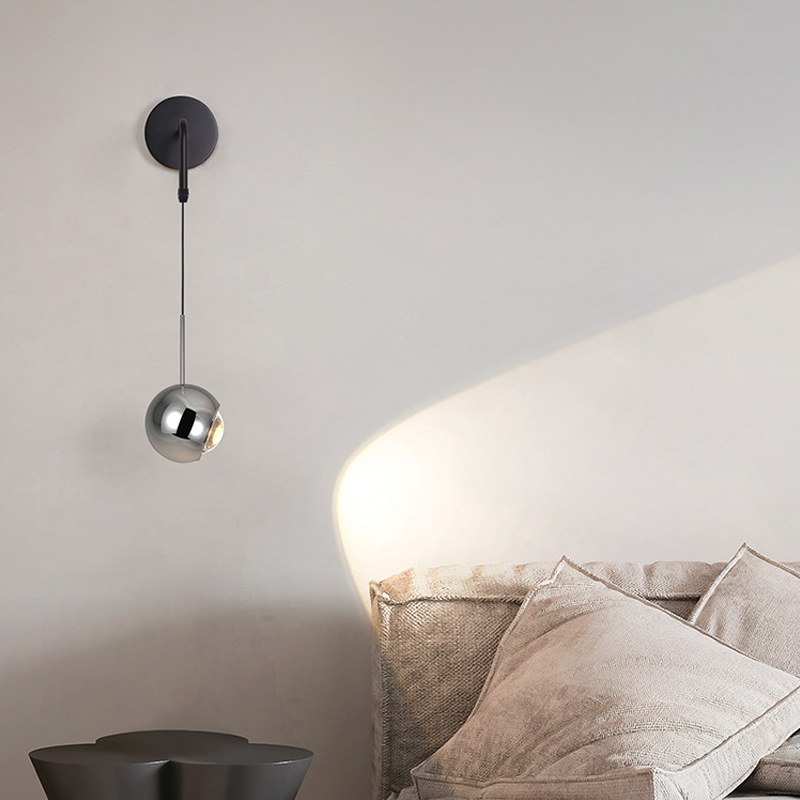
The spherical pendant, often appearing as a single illuminated orb, is a timeless choice. It can be crafted from frosted glass to diffuse light evenly, creating a soft glow, or from metal with cutouts to cast patterned shadows. Suspended individually or in a cluster, these orbs can evoke a sense of celestial bodies or modern sculptures.
Ring and Hoop Designs
Circular pendants, such as those shaped like rings or hoops, provide a clean, unbroken line. These are particularly effective in modern and minimalist interiors, where their simplicity can enhance the sense of space. When stacked or layered, they can create more complex visual architectures.
Polygonal Structures
Pendants based on polygons introduce a more defined and structured aesthetic. The number of sides and the arrangement of these polygons can lead to a wide variety of visual outcomes, from simple to intricate.
Cubes and Rectangles
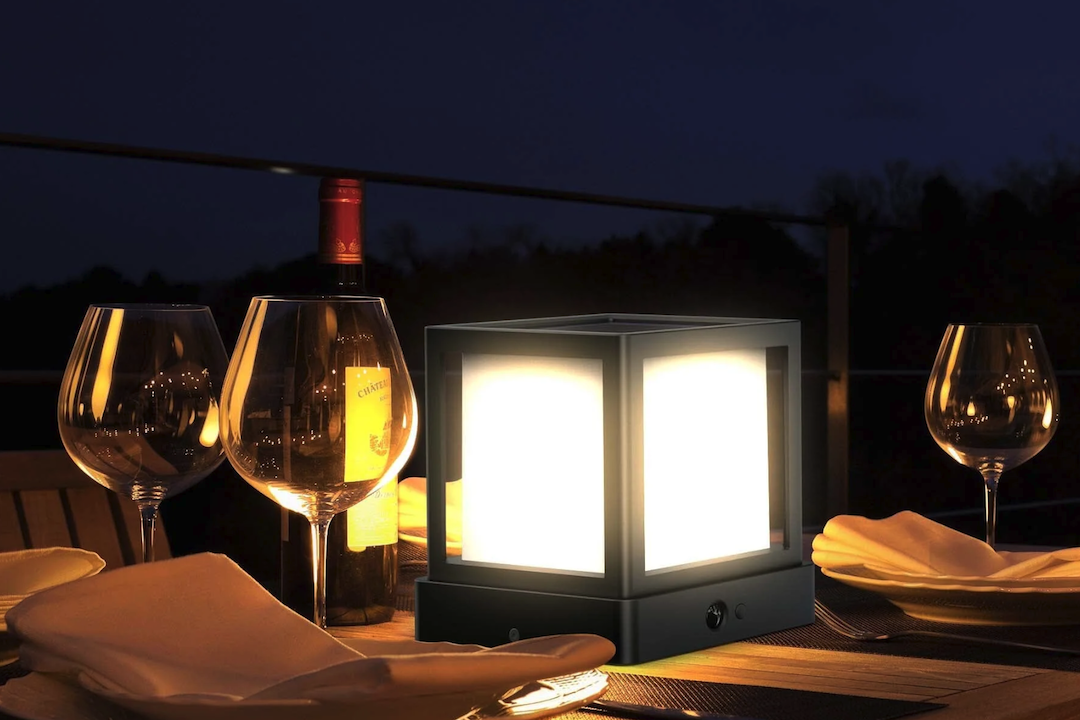
Pendant lights incorporating cubes or rectangular prisms offer a strong sense of order and symmetry. They can appear as single, solid forms or be constructed from multiple linear elements. These shapes are excellent for creating a modern, architectural feel. Think of a single cube housing a light source; it’s a deliberate, contained volume.
Pyramids and Prisms
Pendants shaped like pyramids or prisms introduce angled surfaces and emergent forms. These can add a dynamic and almost crystalline quality to the lighting. The way light interacts with the facets of a pyramid or prism can create interesting reflections and refractions.
Hexagons and Honeycomb Structures
The hexagon is a popular geometric form in contemporary design due to its prevalence in nature and its visually pleasing symmetry. Hexagonal pendants can range from simple, single frames to complex structures that resemble honeycomb patterns. These can create a sense of natural order within an artificial setting.
Combined and Complex Geometries
Many contemporary geometric pendants are not limited to a single basic shape but combine multiple geometric elements to create more intricate and visually arresting designs.
Intersecting Planes
Designs featuring intersecting planes, often forming abstract skeletal structures, offer a contemporary and often industrial aesthetic. These can be made from metal grids or interconnected rods, allowing light to pass through freely and creating complex shadow play. This approach is like building with light itself, where the structure is as much about the empty space as it is about the material.
Layered and Multi-faceted Designs
Some geometric pendants utilize layered or multi-faceted structures, creating a sense of depth and complexity. These might involve concentric shapes, or a primary shape subdivided into smaller geometric units.
Lighting Performance and Functionality
Beyond their aesthetic appeal, contemporary geometric pendant lights are designed to provide effective illumination. Their functionality is directly influenced by their design, materials, and the type of light source they accommodate.
Illumination Quality and Distribution
The quality of light emitted by a geometric pendant can range from a focused task light to a broad ambient glow. This is determined by the shape, material, and the design of the light source enclosure. A pendant with an opaque shade will direct light downwards, suitable for task areas. A fixture with open geometric forms or translucent materials will allow light to diffuse more broadly, contributing to the overall room ambiance. Imagine a bare Edison bulb hanging from a minimalist geometric frame; the light is raw and directional. Contrast that with a metallic sphere with perforations; the light is softened and projected in patterns, like moonlight through leaves.
Light Source Considerations
The type of light bulb used is critical. LED bulbs are now the standard for most contemporary lighting due to their energy efficiency, longevity, and range of color temperatures. The design of the geometric pendant often dictates the permissible bulb types and sizes. Some fixtures are designed to showcase decorative bulbs like vintage-style LEDs, while others have integrated LED modules for a seamless look. The color rendering index (CRI) of the bulb is also important, as it affects how accurately colors appear under the light.
Dimming Capabilities and Smart Technology
Many contemporary geometric pendant lights are designed to be dimmable, allowing users to adjust the light intensity to suit different moods and activities. This is often achieved through compatible dimmer switches or integrated smart technology. Smart lighting systems allow for remote control via smartphone apps or voice commands, enabling users to schedule lighting, change colors (in some cases), and integrate their lighting with other smart home devices. This technological integration enhances the functionality and convenience of modern lighting solutions.
Conclusion: The Enduring Relevance of Geometric Pendants
Contemporary geometric pendant lights have solidified their place in the modern design landscape through their inherent versatility, aesthetic appeal, and functional illumination. They are not merely decorative objects; they are carefully considered elements that contribute to the overall harmony and usability of a space.
A Foundation for Design
The appeal of geometric pendants can be seen as a reflection of a broader societal appreciation for clarity, order, and intentionality in design. In a world often characterized by complexity, these fixtures offer a sense of groundedness and visual logic. They act as anchors within a room, providing a focal point around which other design elements can be arranged. Their predictable forms allow designers and homeowners to experiment with more fluid or abstract elements elsewhere in the interior, knowing that the geometric pendant provides a stable counterpoint.
Evolving Forms and Beyond
While classic geometric shapes remain popular, innovation continues to push the boundaries of what constitutes a geometric pendant light. Designers are exploring more complex tessellations, algorithmic designs, and the integration of bio-inspired geometric patterns. The continued evolution of materials and lighting technology, such as the development of flexible LED strips that can be shaped into intricate geometric forms, ensures that geometric pendant lighting will remain a relevant and dynamic aspect of interior design for the foreseeable future. They represent a marriage of classical principles and forward-thinking innovation, a testament to the enduring power of geometry in shaping our built environments.