
Looking to add a bit of character and functionality to your space? A decorative glass standing lamp might be exactly what you need. These lamps aren’t just for shedding light; they’re pieces of art that can seriously upgrade the look and feel of a room, offering a nice blend of practicality and style.
When we talk about decorative glass standing lamps, we’re discussing items that go beyond the basic utility of a light source. Think of them as functional sculptures. Unlike many other types of lamps, glass offers a unique interplay with light itself. It can diffuse, refract, or reflect light in ways that fabric or metal shades simply can’t. This creates a much more dynamic and often more appealing ambiance in a room.
The Material Difference: Glass vs. Others
Glass isn’t just one thing. When used in lamps, it can take on many forms, each with its own characteristics.
- Clear Glass: Offers crisp, unobstructed light. Ideal for task lighting or highlighting a particular area. Can be quite modern.
- Frosted or Etched Glass: Diffuses light softly, creating a warmer, more ambient glow. Great for general room lighting where you want to minimize harsh shadows.
- Stained Glass: A classic choice, often seen in more traditional or artistic settings. Creates colorful patterns and a very distinct mood. Think of Tiffany-style lamps—they fall into this category.
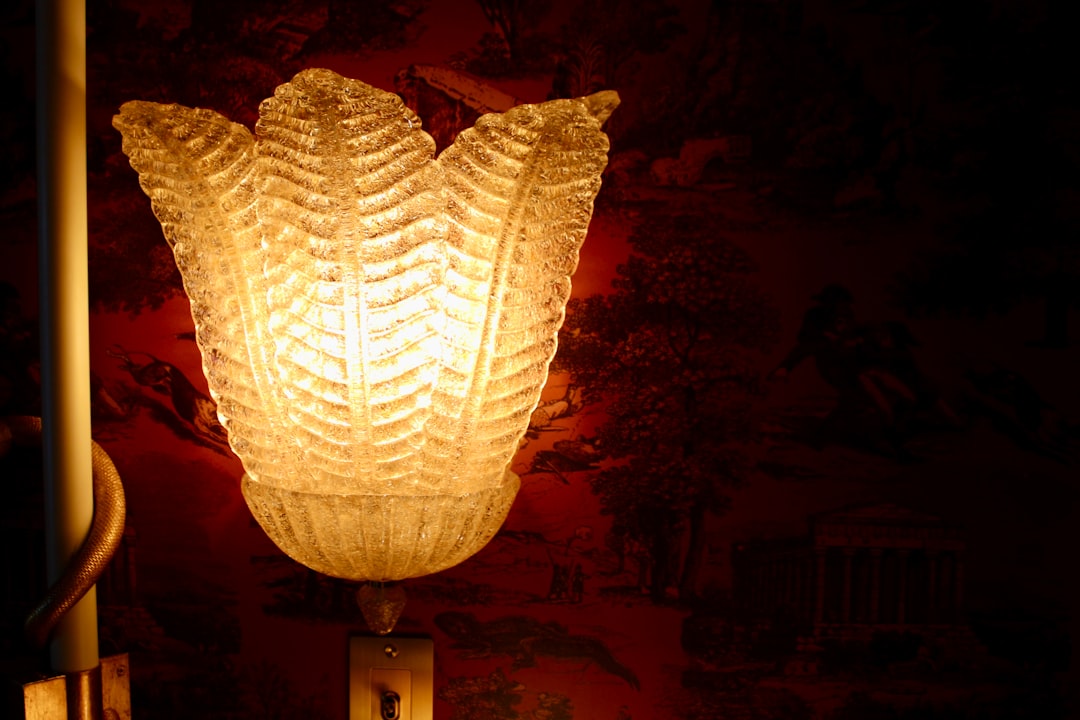
- Art Glass (Blown Glass): These are often unique, handcrafted pieces, sometimes with swirls, bubbles, or organic shapes embedded. They become focal points in a room, even when off.
The other materials often paired with the glass also play a role. Metals like brass, nickel, or bronze provide structural support and can dictate the overall style – shiny chrome for modern, antique bronze for traditional. Wood bases can add warmth and an earthy feel.
Beyond Illumination: Decorative Impact
A well-chosen glass standing lamp can really elevate a room’s aesthetic. It can act as a subtle accent or a bold statement piece, depending on its design.
- Adding Visual Interest: The way light plays through glass can create interesting patterns and shadows, adding a layer of visual texture to your walls and ceiling.
- Establishing a Mood: The type of glass and the bulb’s warmth (measured in Kelvin) work together. Warm, diffused light from frosted glass can make a room feel cozy, while bright, clear light can make it feel more energetic or modern.
- Complementing Existing Decor: The key is finding a lamp that fits with your current style. A sleek, minimalist glass lamp might look out of place in a rustic farmhouse, just as an ornate stained-glass piece might clash in a stark contemporary space.
Choosing the Right Lamp for Your Space: Practical Considerations
Selecting the right decorative glass standing lamp involves more than just liking its looks. You need to think about how it will function in your specific environment.
Location, Location, Location
Where you put the lamp significantly impacts which type you should choose.
- Living Room Corners: A popular spot. Here, a lamp can provide ambient lighting, fill an empty space, and anchor a seating arrangement. Consider lamps with upward-facing lights for indirect illumination or those with adjustable heads for reading.
- Next to a Sofa or Armchair: Ideal for reading lamps. Look for flexible necks or directed light, perhaps with a clear glass shade for focused brightness.
- Dining Room: While less common for standing lamps, a tall, elegant piece can add an architectural element and soft ambient light, especially if dimmable.
- Bedroom: Creates a soft glow for winding down. Frosted or colored glass can contribute to a relaxing atmosphere. Make sure it’s not too bright for a bedside reading lamp.
- Entryways or Hallways: Can provide a welcoming light and act as an interesting visual element. Consider a lamp that’s more sculptural here.
Light Output and Purpose
Think about what you actually need the light for.
- Ambient Lighting: For general illumination. Frosted or opal glass shades are excellent for diffusing light evenly throughout the room. Look for lamps with multiple bulbs or larger shades.
- Task Lighting: For reading, crafting, or other activities requiring focused light. Clear glass shades, often paired with a spotlight or adjustable neck, are best.
- Accent Lighting: To highlight artwork, architectural features, or plants. Smaller, directed lights, often found in combination with larger ambient lamps, work well.
Bulb Types and Their Impact
The bulb you choose has a huge impact on the lamp’s performance and the room’s atmosphere.
- LED Bulbs: Energy-efficient, long-lasting, and come in a wide range of color temperatures (warm white to cool daylight). Many are dimmable.
- Incandescent Bulbs: Produce a very warm, natural light but are inefficient and generate more heat. Becoming less common.
- Halogen Bulbs: Brighter than incandescents, with good color rendering, but still less efficient than LEDs.
- Smart Bulbs: Offer advanced control over color, brightness, and scheduling, allowing for highly customized lighting schemes.
Consider the wattage (or lumen equivalent for LEDs) based on the size of your room and the lamp’s purpose. A larger room or a primary light source will need higher lumens.
Design Styles and Aesthetic Integration
A key aspect of choosing a decorative glass standing lamp is ensuring it harmonizes with your existing decor. The lamp should feel like it belongs, not like an afterthought.
Modern and Contemporary
- Characteristics: Clean lines, geometric shapes, often minimalist. Materials like clear or frosted glass, chrome, matte black, or brushed nickel.
- Examples: A tall, slender lamp with a simple cylindrical or spherical glass shade. A large, clear glass orb on a thin metal stand. “Bubble” glass designs.
- Placement: Works well in open-plan spaces, lofts, or rooms with a focus on simplicity and functionality.
Mid-Century Modern
- Characteristics: Organic shapes, Sputnik-inspired designs, a mix of materials like glass, wood, and brass. Often playful yet sophisticated.
- Examples: Lamps with multiple glass globes (often opal or frosted) emanating from a central stem. Teardrop-shaped glass shades.
- Placement: Complements furniture with tapered legs, natural wood, and strong, linear forms.
Traditional and Classic
- Characteristics: Ornate details, intricate patterns, often heavier bases. Materials like stained glass, cut glass, bronze, or polished brass.
- Examples: Tiffany-style lamps with intricate leaded glass shades. Lamps with fluted glass shades and decorative metalwork on the base.
- Placement: Suits rooms with classic furniture, rich fabrics, and a more formal aesthetic.
Industrial
- Characteristics: Raw, unfinished look, exposed bulbs, often metal cages. Glass can be thick, ribbed, or textured.
- Examples: Lamps with clear or smoked glass shades resembling old factory lights, often paired with dark metals like iron or blackened steel.
- Placement: Ideal for urban lofts, studios, or spaces embracing a rugged, repurposed aesthetic.
Bohemian and Eclectic
- Characteristics: Layered textures, global influences, often unique or handcrafted pieces. Can incorporate colored glass, mosaic, or natural elements.
- Examples: Lamps with hand-blown glass shades in vibrant colors. Lamps with glass fragments arranged in a mosaic pattern.
- Placement: Works well in rooms that mix different styles, periods, and cultural elements, creating a collected look.
Installation and Maintenance: Keeping Your Lamp Looking Good
Once you’ve picked out your lamp, thinking about how it’s set up and cared for will keep it looking its best for years.
Assembly and Placement Safety
Most standing lamps are fairly easy to assemble, usually involving attaching the pole sections to the base and then adding the shade.
- Stable Base: Ensure the lamp has a sturdy, heavy base to prevent tipping, especially if you have pets or small children. Overloading a lampshade with a bulb too heavy for it can make it top heavy.
- Cord Management: Route the power cord safely to avoid trip hazards. Use cord clips or covers if necessary. Don’t run cords under carpets where they can overheat or become damaged.
- Electrical Safety: Ensure the lamp is rated for the voltage in your region. Check for any frayed wires before plugging in.
Cleaning Glass Shades
Glass shades, while beautiful, can show dust and smudges. Regular cleaning is important to maintain their brilliance.
- Dusting: Use a soft, lint-free cloth or a feather duster regularly to remove loose dust.
- Wiping: For smudges or fingerprints, use a microfiber cloth dampened with plain water or a mild glass cleaner. Avoid harsh chemical cleaners, as they can sometimes damage finishes or leave residue.
- Drying: Dry the glass thoroughly with a clean, dry cloth to prevent water spots.
- For Stained or Art Glass: These may require more gentle cleaning to protect the leading or painted details. Consult the manufacturer’s instructions, but generally, mild soap and water applied with a soft cloth is best, followed by a gentle dry.
Replacing Bulbs
This is generally straightforward, but a few tips can help.
- Off and Cool: Always turn off and unplug the lamp, and allow the bulb to cool completely before attempting to remove it.
- Matching Wattage/Lumens: Replace bulbs with the same wattage or lumen equivalent (for LEDs) as originally specified or as you desire for light output. Exceeding the lamp’s maximum wattage can be a fire hazard.
- Gentle Hand: Glass shades can be fragile, so handle them carefully when removing or replacing bulbs.
Cost and Durability: An Investment in Your Home
Decorative glass standing lamps vary widely in price, depending on the materials, craftsmanship, and brand. But generally, they are seen as a long-term addition to your home.
What Influences Price
- Material Quality: Hand-blown art glass, genuine stained glass, or solid metal bases will naturally cost more than mass-produced glass or lightweight aluminum.
- Design Complexity: Intricate designs, unique shapes, or those requiring specialized manufacturing processes will be pricier.
- Brand Reputation: Established lighting brands often command higher prices due to their design expertise and quality control.
- Handcraftsmanship: Custom or artisan-made lamps will always be more expensive than factory-produced ones.
Durability and Lifespan
Glass, when properly cared for, is a highly durable material.
- Impact Resistance: While glass can break if dropped or struck hard, it generally holds up very well to daily use. Quality lamps use thicker glass, which is less prone to accidental damage.
- Fading and Wear: Unlike fabric shades that can fade or fray, glass maintains its color and clarity over time. Metal components can be prone to tarnishing or scratches, but these are often minor and can sometimes be repaired or buffed out.
- Long-Term Value: Investing in a well-made glass standing lamp means you’re getting a piece that can last for many years, potentially even decades, adding lasting aesthetic value to your home. Consider it a piece of furniture rather than a disposable item.
In summary, a decorative glass standing lamp offers a blend of practicality and refined style. By considering its placement, lighting needs, design compatibility, and maintenance, you can choose a piece that not only illuminates your space but genuinely enhances it, becoming a cherished element of your home’s decor.