
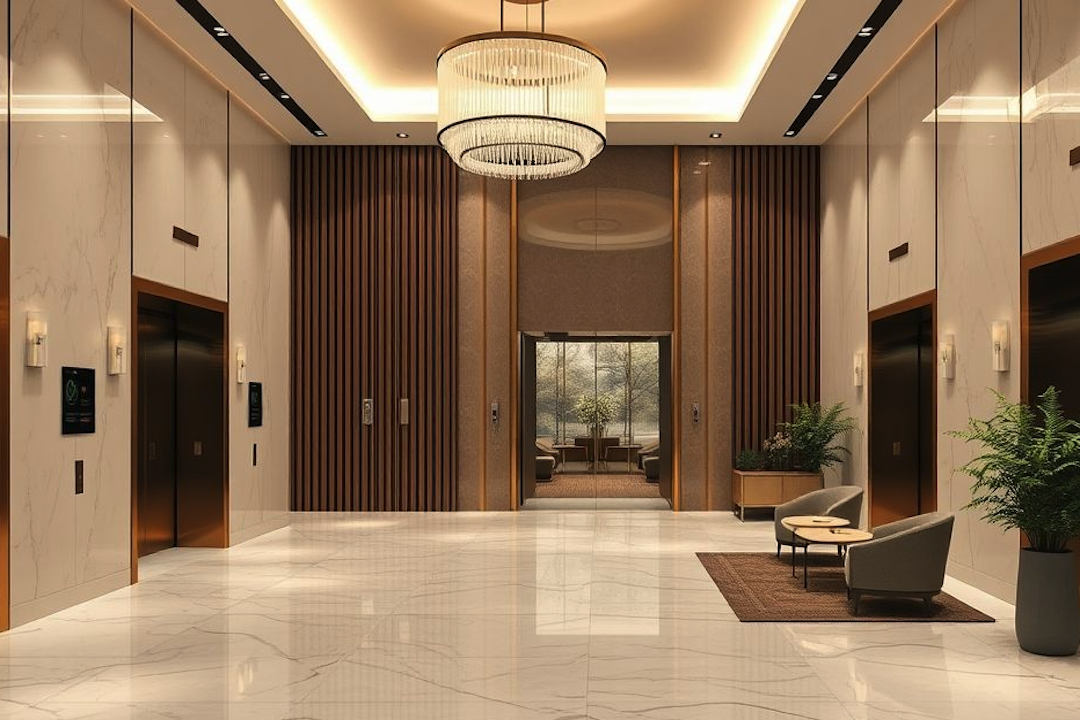
When considering the design elements that contribute to a hotel’s overall atmosphere, the elevator lobby often serves as a critical, yet frequently overlooked, transition zone. This space, a gateway between public areas and private accommodations, offers a distinct opportunity to shape guest perception through strategic lighting. Elevator lobby wall lights, beyond their primary function of illumination, can act as foundational components in establishing comfort, elegance, and a hotel’s unique brand identity.
The placement and type of wall lights Simiglighting in an elevator lobby extend beyond merely providing light. They are design tools, much like a painter’s brushes, that can define the spatial experience. Effective lighting transforms a utilitarian space into an inviting one, guiding guests and setting a particular mood. Consider the impact of different light temperatures and intensities. A warm, diffused light might evoke a sense of coziness and luxury, while a cooler, brighter light could signify modernity and efficiency. The choice of fixture itself also communicates a specific design language, ranging from minimalist recessed luminaires to ornate sconces.
Guiding Guest Pathways and Perceptions
Elevator lobbies are inherently transient spaces. Guests arrive, wait, and depart. Wall lights can be instrumental in navigating these movements. Linear fixtures, for example, can visually direct guests towards the elevators, acting as illuminated arrows without explicit signage. Uplighting or downlighting from wall-mounted fixtures can accentuate architectural features or art pieces, drawing the eye and making the waiting experience more engaging. The subtle interplay of light and shadow, created by thoughtfully positioned luminaires, can also make a space feel larger and more welcoming, counteracting the often confined nature of elevator waiting areas.
Establishing the Hotel’s Brand Identity
Every hotel strives for a unique identity. This identity is not solely communicated through logos or marketing materials but also through tangible design elements. The style of elevator lobby wall lights can be a powerful, non-verbal communicator of this brand. A boutique hotel aiming for a chic, contemporary vibe might opt for sleek, minimalist LED strips, integrated seamlessly into wall panels. Conversely, a historic luxury hotel might choose ornate, bronze sconces that echo the building’s architectural heritage. These choices are not arbitrary; they are deliberate decisions that reinforce the hotel’s overarching aesthetic and promise to its guests.
Psychological Impact of Light on Guest Experience
The human response to light is deeply ingrained and multifaceted. Different lighting conditions can influence mood, stress levels, and even perceived comfort. In a hotel setting, understanding these psychological impacts is paramount to creating a positive guest experience. Elevator lobbies, as initial points of arrival and final points of departure for guest rooms, play a crucial role in setting the tone for their stay.
Creating a Sense of Welcome and Security
Upon entering an elevator lobby, guests should feel secure and welcome. Harsh, fluorescent lighting can create an unwelcoming, almost institutional atmosphere, potentially increasing feelings of anxiety. Conversely, well-distributed, warm lighting can soothe and reassure. Strategically placed wall lights can eliminate dark corners, which can be perceived as unsafe, thus enhancing the overall sense of security. The perception of brightness, without being glary, contributes significantly to this feeling. It’s an unspoken assurance that the hotel prioritizes guest comfort and safety.
Influencing Mood and Perception of Luxury
Luxury is often associated with subtlety and refinement. Overly bright or poorly designed lighting can detract from this perception. Wall lights, when artfully integrated, can cast a soft glow that highlights textures, materials, and finishes, contributing to an overall sense of opulence. Dimmable options for wall lights provide flexibility, allowing staff to adjust the ambiance based on time of day or specific events. This adaptability contributes to a dynamic and thoughtful experience. The quality of light, its color rendering index (CRI), and its Kelvin temperature all play a role in how materials and colors are perceived, directly impacting the guest’s impression of luxury.
Reducing Visual Fatigue and Enhancing Comfort
Prolonged exposure to poorly designed lighting can lead to visual fatigue and discomfort. In an elevator lobby, where guests may wait for varying periods, this is a consideration. Wall lights that provide even, glare-free illumination are essential. This means avoiding direct, unshielded light sources that can cause discomfort. Indirect lighting, where light is bounced off walls or ceilings, can create a softer, more diffused environment, reducing strain on the eyes. The aim is to create an environment where guests feel at ease, not visually assaulted.
Design Considerations for Elevator Lobby Wall Lights
The selection and implementation of elevator lobby wall lights involve numerous design decisions. These decisions intertwine aesthetic appeal with practical considerations, ensuring both beauty and functionality. A comprehensive approach considers the architectural context, the hotel’s overall design philosophy, and the practicalities of maintenance and energy efficiency.
Integrating with Architectural Style and Materiality
The wall lights should complement, not compete with, the existing architectural style of the hotel. In a minimalist contemporary hotel, clean-lined, integrated fixtures that blend seamlessly with the wall surface would be appropriate. For a traditional hotel, sconces with intricate details and classic finishes might be more fitting. The materials of the fixtures themselves – brushed metal, polished chrome, wood, glass – should harmonize with the surrounding walls, flooring, and other design elements. This integration creates a cohesive and well-considered aesthetic.
Selecting Appropriate Luminaire Types and Finishes
There is a vast array of luminaire types suitable for elevator lobby walls, each offering distinct aesthetic and functional characteristics.
- Sconces: Available in various styles, from traditional to contemporary, sconces offer decorative appeal and often provide both uplight and downlight, creating interesting light patterns.
- Recessed Wall Washers: These fixtures are designed to “wash” a wall with light, highlighting texture or art. They offer a subtle, integrated look.
- Linear LED Strips: Modern and versatile, these can be surface-mounted, recessed, or integrated into architectural details, providing continuous, even illumination.
- Picture Lights: While traditionally used for artwork, smaller, decorative picture lights can be used to accent wall panels or specific design features.
The finish of the luminaire is equally important. Options range from polished brass for a classic look, matte black for industrial chic, or brushed nickel for contemporary elegance. The finish should align with the hotel’s existing hardware and fixtures.
Considering Light Distribution and Beam Angles
The way light is distributed from a fixture is critical. A narrow beam angle might accentuate a specific architectural detail, while a wider beam angle could provide general ambient illumination. Uplighting can make a ceiling appear higher, creating a sense of spaciousness. Downlighting can create dramatic shadows and highlight floor textures. A combination of different light distributions can create a layered lighting scheme that adds depth and visual interest to the lobby. The goal is to avoid flat, uninteresting illumination and instead create a dynamic and engaging environment.
Energy Efficiency and Maintenance Considerations
In contemporary hotel operations, sustainability and long-term cost-effectiveness are paramount. Lighting systems, especially those in continuous operation, represent a significant portion of energy consumption and maintenance expenditure. Addressing these factors during the design phase is crucial for responsible hotel management.
Embracing LED Technology for Sustainability
Light Emitting Diode (LED) technology has become the standard for new lighting installations due to its superior energy efficiency and longevity. Compared to traditional incandescent or halogen sources, LEDs consume significantly less power and have a dramatically longer lifespan, reducing the frequency of bulb replacements. This translates directly to lower energy bills and reduced environmental impact. Furthermore, LEDs generate less heat, which can contribute to lower air conditioning loads, especially in warm climates. The consistent output and minimal degradation over time also ensure the aesthetic quality of the lighting is maintained for longer.
Implementing Dimmable Systems and Occupancy Sensors
Further energy savings can be achieved through intelligent lighting controls. Dimmable wall lights allow hotels to adjust light levels based on natural daylight availability, time of day, or specific events. This flexibility not only conserves energy but also allows for dynamic changes in ambiance. Occupancy sensors, particularly in less-frequented areas or during late-night hours, can automatically turn off or dim lights when no guests are present, yielding substantial energy reductions without compromising safety or convenience. Integrating these systems requires careful planning during the Electrical Design stage, ensuring seamless operation and user-friendly controls for hotel staff.
Ease of Access and Luminaire Durability
The practicalities of maintenance are often overlooked during the initial design. Wall lights, especially those mounted at height or in intricate designs, should be selected with ease of access for cleaning and replacement in mind. Fixtures that require specialized tools or extensive dismantling for a simple bulb change can lead to higher maintenance costs and operational disruptions. Durability is also a key factor. In a high-traffic area like an elevator lobby, fixtures must withstand potential incidental contact and frequent cleaning. Choosing robust materials and high-quality construction minimizes the need for frequent repairs or replacements, maintaining the hotel’s pristine appearance and reducing long-term overheads.
The Role of Smart Lighting Systems
The evolution of lighting technology extends beyond mere energy efficiency; it now encompasses comprehensive smart systems that integrate various aspects of control and personalization. In a hotel context, these systems can elevate the guest experience and streamline operational management.
Centralized Control and Scene Setting
Smart lighting systems enable centralized control over all elevator lobby wall lights, and often, the entire hotel’s lighting infrastructure. This means hotel staff can manage light levels, color temperatures (if applicable), and even specific fixture groups from a single interface, be it a wall-mounted panel or a mobile device application. More powerfully, these systems allow for “scene setting.” A morning scene might feature brighter, cooler light to invigorate guests, while an evening scene could shift to warmer, dimmer illumination, fostering a relaxed and opulent mood. This ability to instantly transform the ambiance based on time of day or special requirements is a significant advantage, ensuring the lighting always complements the desired guest experience.
Personalized Guest Experience (Future Potential)
While perhaps more common in guest rooms currently, the concept of personalized lighting could extend to public areas, including elevator lobbies, in the future. Imagine a system that, upon scanning a guest’s key card, adjusts the lobby lighting to their preferred pre-set ambiance, perhaps a softer glow for someone returning late at night. While still an emerging concept for common areas, the underlying technology for such personalization already exists and is likely to be integrated as smart building systems become more sophisticated. The goal is to move beyond a one-size-fits-all approach to lighting and offer a more tailored, memorable stay.
Integration with Building Management Systems (BMS)
Smart lighting systems are increasingly designed to integrate seamlessly with a hotel’s broader Building Management System (BMS). This integration allows for a holistic approach to building operations, where lighting can work in conjunction with HVAC, security, and other systems. For instance, if the BMS detects an extended period of low occupancy, the lighting system could automatically reduce power consumption in the elevator lobbies. This synergy not only optimizes energy usage further but also provides a comprehensive data overview, enabling hotel management to identify patterns, troubleshoot issues, and make data-driven decisions regarding resource allocation and operational efficiency. The elevator lobby, as a key circulation point, becomes an active participant in this intelligent ecosystem.