
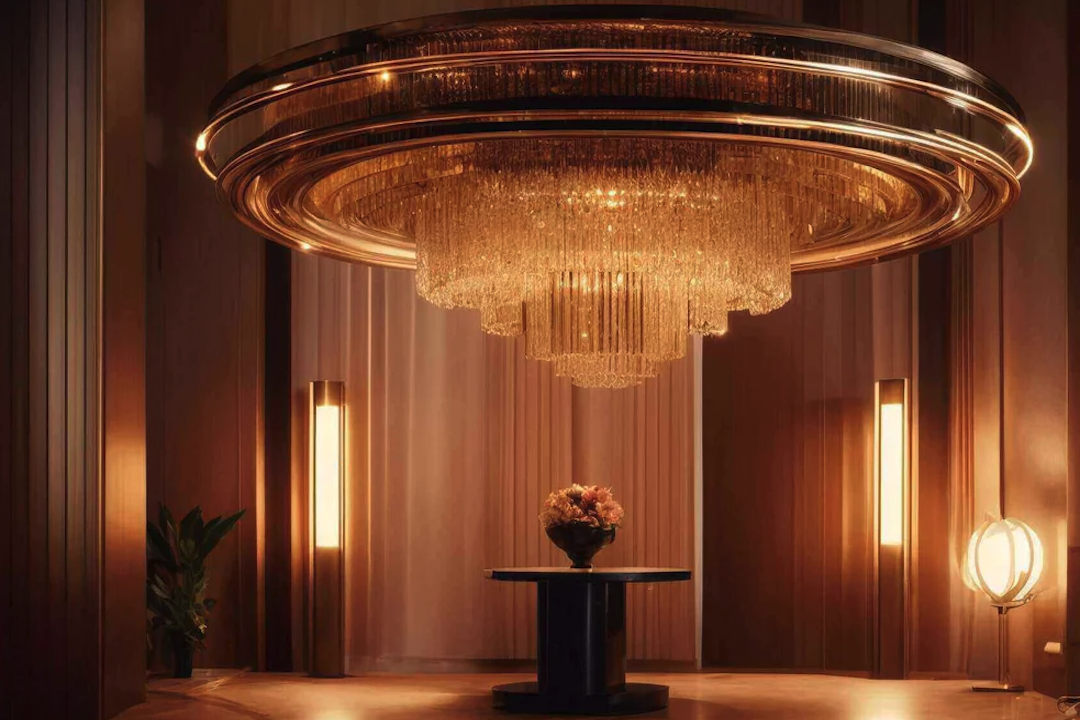
So, you’re thinking about an Art Deco ceiling chandelier? Great choice! These pieces aren’t just lights; they’re statement-making art that can dramatically transform your space. If you’re wondering what makes them so special and how to pick the right one, you’ve come to the right place. Primarily, Art Deco chandeliers Simiglighting are known for their geometric forms, luxurious materials, and a certain opulent yet streamlined aesthetic that screams sophistication. They offer a unique blend of historical charm and design boldness that keeps them popular today.
The Art Deco Aesthetic: More Than Just Shiny Things
Art Deco wasn’t just a style; it was a reaction. Emerging in the 1920s and 30s, it was a response to the ornate, fussy styles that came before, like Art Nouveau. Think jazz, flappers, and a sense of modern optimism. This translated into design that was sleek, symmetrical, and a bit daring.
Geometric Precision
A hallmark of Art Deco is its embrace of geometric shapes. You’ll see plenty of circles, squares, triangles, zigzags, and sunburst motifs. This isn’t random; it’s about creating a sense of order and dynamic energy. These shapes are often repeated or layered to create visually striking patterns.
Symmetry and Balance
Unlike the flowing, organic lines of Art Nouveau, Art Deco favors symmetry. Think of a perfectly balanced composition, where elements mirror each other. This creates a feeling of stability and refined luxury. Even when there’s a lot going on visually, the underlying symmetry keeps it from feeling chaotic.
Streamlined Forms
Despite the opulence, Art Deco designs are remarkably streamlined. There’s a sense of efficiency and modernity, almost as if the furniture and lighting were designed for the age of the machine. This is seen in clean lines and a lack of unnecessary embellishment.
Materials That Matter: The Substance of Style
What the chandeliers are made of is just as important as their shape. Art Deco designers weren’t shy about using high-quality, often luxurious materials. They wanted their pieces to last and to impress.
Metals: The Backbone of Brilliance
Brass is a frequent flyer in Art Deco chandeliers, often polished to a high shine or sometimes with a brushed finish. Nickel, chrome, and even steel were also employed, reflecting the era’s fascination with industrial materials and modern finishes. These metals provide a sturdy structure and contribute to the overall sheen.
Brass: Warmth and Opulence
The warm, golden hue of brass is synonymous with the glamour of the Art Deco period. It can be found in intricate detailing or as the primary material for the frame. Its durability also means that brass fixtures often endure beautifully over time.
Chrome and Nickel: Modern Shine
The sleek, cool tones of chrome and nickel offered a more modernistic contrast to brass. They reflect light effectively, enhancing the overall brightness of a room. These finishes often have a mirror-like quality, adding to the sophisticated feel.
Glass: Light Manipulation Masters
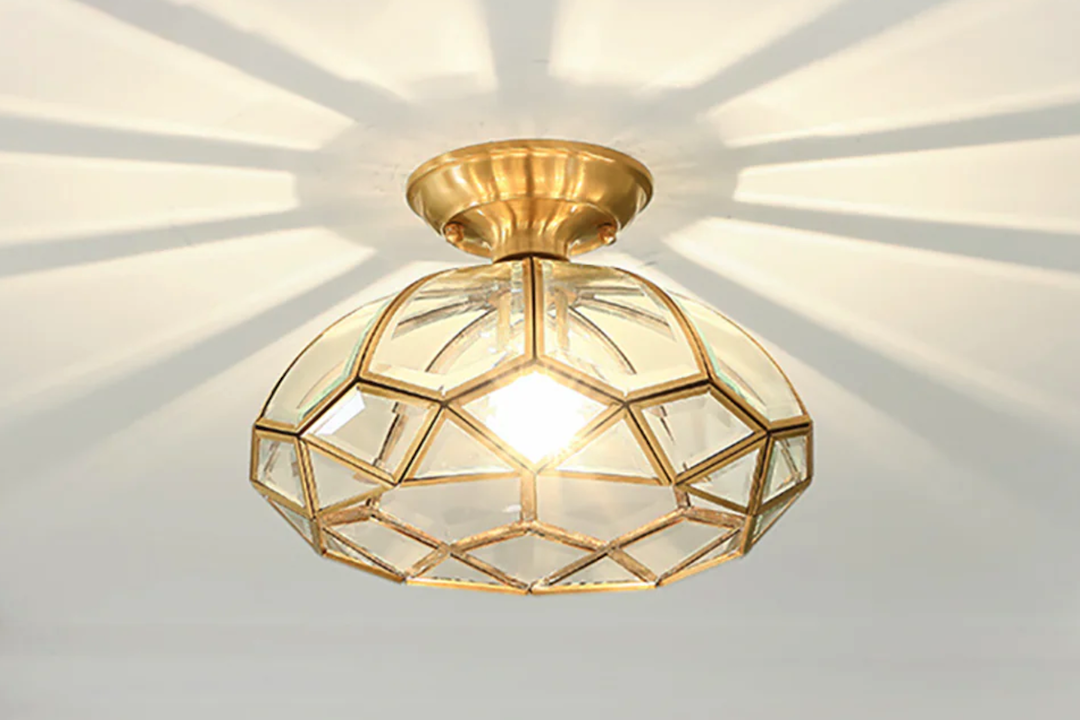
Glass was used in a multitude of ways to refract, diffuse, and color light. Think frosted glass, etched glass, and often, geometric panels or globes. The goal was to create atmospheric lighting, not just harsh illumination.
Frosted and Etched Glass: Softening the Glow
Frosted glass diffuses light, creating a softer, more ambient glow. Etching allowed for intricate patterns and decorative designs to be incorporated directly into the glass itself. This often involved geometric motifs or stylized floral patterns, a nod to nature but still within the Art Deco framework.
Stained and Colored Glass: Adding a Splash of Drama
While not as common as clear or frosted glass, some Art Deco chandeliers incorporated colored glass, particularly in jewel tones like ruby, emerald, or sapphire. This added an extra layer of richness and visual interest, transforming the light into a colored spectacle.
Other Luxurious Touches
Sometimes, you’ll find chandeliers that incorporate other premium materials to add to their allure.
Bakelite and Catalin: Materials of the Modern Age
These early plastics, known for their durability and ability to be molded into complex shapes, found their way into Art Deco lighting. They often had vibrant colors or a smooth, glossy finish, fitting the era’s forward-looking spirit.
Wood Accents: A touch of Naturalism
While metal and glass dominated, some designs included subtle wooden elements for contrast and warmth. These were usually dark woods, polished to a high sheen, and integrated into geometric patterns.
Key Design Elements to Look For
When you’re browsing for an Art Deco chandelier, there are a few recurring design features that will immediately signal its authenticity. Spotting these can help you narrow down your search and find a piece that truly resonates with the style.
Sunbursts and Rays: Capturing Light’s Energy
The sunburst motif is perhaps one of the most iconic elements of Art Deco. It’s a symbol of energy, optimism, and radiating power. These can appear as central elements or as accents radiating outward.
Central Sunbursts: A Dramatic Focal Point
A chandelier with a prominent sunburst at its core immediately draws the eye. It creates a sense of grandeur and makes the fixture a true showpiece. The rays can be made of metal spokes, etched glass, or even small bulbs positioned to mimic rays of light.
Rayed Patterns: Subtler Radiance
Sometimes, the sunburst isn’t the main event but is integrated into the overall design as a repeating pattern or an accent. This can be seen in the arrangement of glass panels or decorative metalwork, adding a subtle but distinct Art Deco flourish.
Zigzags and Chevrons: Dynamic Movement
These sharp, angular patterns bring a sense of dynamism and excitement. They are quintessentially Art Deco and can be found in the detailing of metalwork, the shape of glass elements, or even the overall structure of the chandelier.
Angular Forms: Breaking from Curves
Zigzags and chevrons deliberately break from the organic curves of earlier styles. They represent the sharp, modern edges that defined the era.
Repeating Motifs: Creating Rhythm
When these patterns are repeated, they create a visual rhythm that is both engaging and sophisticated. This can be seen in a series of chevron-shaped glass shades or metal arm brackets.
Layered and Stepped Designs: Architectural Influence
Many Art Deco chandeliers feature designs with multiple tiers or steps, evocative of the architecture of the period, like skyscrapers. This layering adds depth and visual interest.
Tiered Structures: Verticality and Presence
Chandelier designs with distinct horizontal levels, often decreasing in size as they ascend, mimic the stepped facades of Art Deco buildings. This creates a strong vertical presence.
Stepped Elements: Geometric Progression
Even within a single tier, you might find elements that are stepped or tiered, creating a subtle but deliberate sense of progression and architectural detail.
Functionality and Placement: Lighting Your Space with Style
Beyond its aesthetic appeal, your chandelier needs to function well in your space. Thinking about where it will go and how much light you need is crucial.
Scale and Proportion: Finding the Right Fit
A chandelier that’s too large can overwhelm a room, while one that’s too small can get lost. Measure your space carefully. A general guideline is to measure the length and width of the room in feet, add them together, and you’ll have a good starting point for the diameter of your chandelier in inches.
Dining Rooms: The Heart of the Home
In a dining room, the chandelier should be centered over the dining table. It should be high enough not to obstruct views across the table but low enough to provide intimate lighting. A typical placement is 30-36 inches above the tabletop.
Living Rooms: Creating Ambiance
For living rooms, consider the overall scale and seating arrangement. A chandelier in a living room often serves as a statement piece and can be used to define conversational areas. It should be hung high enough to avoid being a head-bumping hazard.
Entryways and Hallways: First Impressions Matter
An Art Deco chandelier in an entryway or hallway makes a stunning first impression. It should be appropriately sized for the width of the space and hung at a height that welcomes guests without being an obstruction.
Lighting Needs: Brightness and Mood
Consider the primary function of the room. Do you need bright, task-oriented lighting, or a softer, more ambient glow? Art Deco chandeliers often have multiple bulbs, allowing for flexibility.
Ambient vs. Task Lighting: Choosing Your Focus
Many Art Deco chandeliers are designed to provide ambient light, creating a warm and inviting atmosphere. However, some designs, particularly those with directed light sources or multiple directional shades, can also contribute to task lighting.
Dimmers: Essential for Mood Control
Installing a dimmer switch is a game-changer for any lighting fixture, and Art Deco chandeliers are no exception. This allows you to adjust the brightness to suit the occasion, from lively entertaining to quiet relaxation.
Investing in Authenticity and Quality
When it comes to Art Deco pieces, authenticity and quality are paramount. These are investments that can last for generations if properly cared for.
Vintage vs. Reproduction: Weighing the Options
Original vintage Art Deco chandeliers carry a certain historical cachet and are often made with superior materials and craftsmanship. However, they can be more expensive and harder to find. Reproductions offer a more accessible way to achieve the Art Deco look, and many are made to a high standard.
The Appeal of Vintage: History and Craftsmanship
Owning an original piece means owning a piece of history. The patina and minor imperfections of a vintage item tell a story. They often showcase meticulous craftsmanship that can be difficult to replicate today.
The Practicality of Reproductions: Accessibility and Modern Standards
Reproductions can be a more budget-friendly option. They also often incorporate modern electrical safety standards and may be easier to find in a wider range of sizes and styles to suit contemporary homes. Look for reputable dealers or manufacturers who are known for quality reproductions.
Caring for Your Investment: Longevity and Preservation
Proper care will ensure your Art Deco chandelier remains beautiful for years to come.
Cleaning and Maintenance: Gentle is Key
Dust regularly with a soft, dry cloth. For more stubborn grime, use a slightly damp cloth, but be very careful with glass components and metal finishes. Avoid abrasive cleaners or harsh chemicals. For intricate metalwork, specialized metal polishes can be used, but always test in an inconspicuous area first.
Electrical Safety: Modernizing Antique Fixtures
If you acquire a vintage chandelier, it’s wise to have it inspected by a qualified electrician. Older wiring might not meet current safety standards, and it’s important to ensure the fixture is safe to operate. Rewiring can preserve the original look while ensuring safety.
By considering these aspects – the core aesthetic, the materials, the design elements, how you intend to use it, and the importance of quality – you can confidently choose an Art Deco ceiling chandelier that will not only illuminate your home but also tell a story and add a timeless touch of glamour.