
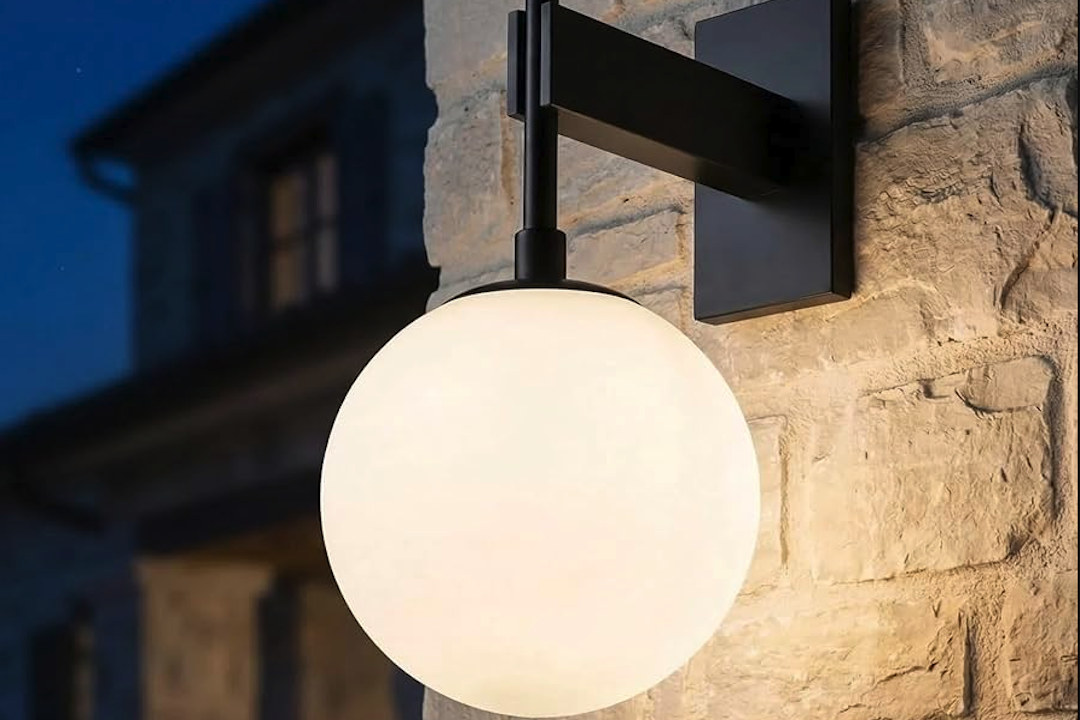
Thinking about jazzing up your hallway? Glass globe wall sconces might just be the answer. They’re a really popular choice right now, and for good reason. They offer a soft, diffused light that’s just right for hallways, making them feel more inviting and less like a dark tunnel. Plus, they look pretty sleek.
Hallways often get overlooked when we’re thinking about home decor, but they’re the first impression guests get of your space. They’re also crucial for navigating your home, especially at night. That’s where lighting Yigo really comes into play, and glass globe wall sconces bring a lot to the table.
The Magic of Soft, Diffused Light
Let’s get down to the nitty-gritty. What makes that glass globe so special? It’s all about how it handles light. Unlike a bare bulb that can be harsh and create glare, the frosted or opal glass of a globe sconce spreads the light evenly.
Think about it: you’re walking down the hall, maybe a bit groggy in the morning, or just trying to find your way around in the dark. You don’t want to be blinded by a bright light. The soft glow from a globe sconce is much gentler on the eyes, creating a welcoming and comfortable ambiance. This is particularly good for long hallways where a single bright light can feel overwhelming.
Boosting Your Hallway’s Aesthetic
Beyond just shedding light, these sconces add a definite style element. They have a clean, modern look that works with a lot of different decor styles, from minimalist to more contemporary. The simplicity of the design means they don’t overpower the space, but they still add a decorative touch.
- Contemporary Appeal: The rounded shape of the globe is a classic, but when paired with sleek metal finishes like brushed nickel or matte black, it feels very up-to-date.
- Versatile Design: Whether your hallway is narrow and long, or a wider entryway area, globe sconces can adapt. Their relatively compact size means they won’t feel bulky in tighter spaces.
- A Touch of Elegance: Even with their simplicity, there’s an understated elegance to a well-placed glass globe sconce. It can elevate the feel of your hallway without needing a lot of fuss.
Choosing the Right Glass Globe Sconce for Your Space
Okay, so you’re leaning towards globe sconces. Great! Now, the fun part: picking the right ones. There are a few things to consider to make sure you get a style that not only looks good but also functions perfectly for your hallway.
The Material Matters: Glass Types and Finishes
Not all glass globes are created equal. The type of glass used will significantly impact the light quality and the overall look.
- Opal Glass: This is probably the most common. It’s milky white and excellent at diffusing light. It provides a very soft, even glow and hides the bulb well. It’s a safe bet if you want maximum light diffusion and a gentle ambiance.
- Frosted Glass: Similar to opal, but often with a slightly more translucent quality. It still diffuses light beautifully, reducing glare but might allow a hint more of the bulb’s shape to be visible.
- Clear Glass with Etching or Texture: Some globe sconces might use clear glass that has been etched or textured. This can create interesting light patterns and sparkle, but might also lead to more direct glare than opal or frosted options. It’s a more decorative choice.
- Tinted Glass: You might find globes with a subtle tint, like amber or smoky grey. This can add a specific mood or color cast to the light. Amber can create a warm, cozy feel, while smoky grey offers a more subdued, sophisticated look.
Metal Finishes: Anchoring the Design
The metal hardware that holds the glass globe is just as important as the globe itself. It’s what helps the sconce blend in or stand out within your existing decor.
- Brushed Nickel/Satin Nickel: This is a very popular choice for modern and transitional homes. It has a soft, matte sheen that’s less reflective than polished chrome and resists fingerprints well. It goes with almost everything.
- Polished Chrome: For a more modern, sometimes even art deco feel, polished chrome offers a bright, reflective shine. It can make a statement and works well in brighter, more contemporary spaces.
- Matte Black: This is a bold and stylish option that’s become incredibly popular. It offers a strong contrast and adds a touch of modern industrial or minimalist chic. It’s great for making a subtle architectural statement.
- Oil-Rubbed Bronze/Aged Bronze: These finishes typically have a darker, richer look, often with hints of brown or red. They can add a touch of warmth and traditional elegance, or work well in rustic or craftsman-style homes.
- Brass (Polished or Brushed): Brass is making a comeback! Polished brass offers a bright, traditional gleam, while brushed brass has a softer, more contemporary feel. It can add a touch of vintage charm or sophisticated flair.
Size and Scale Considerations
Don’t just grab the first one you see. The size of the sconce needs to make sense for your hallway.
- Narrow Hallways: Opt for smaller, more streamlined globes to avoid making the space feel cluttered or cramped.
- Wider Entryways: You have more flexibility. You can go for slightly larger globes or even consider a pair to balance the width and create a more impactful entrance.
- Ceiling Height: If you have low ceilings, a more compact sconce that sits closer to the wall is ideal. For higher ceilings, you might have more options for sconces that extend a little further out.
Installation: Getting Your Sconces Up and Glowing
Okay, you’ve picked out the perfect glass globe sconces. Now it’s time to get them installed. This is a crucial step, and depending on your comfort level with DIY, you might want to call in a professional.
DIY vs. Professional Installation
Let’s be honest about this. Electrical work can be tricky and, more importantly, dangerous if not done correctly.
- DIY: If you have experience with basic wiring, know your way around a junction box, and are comfortable working with low-voltage or standard household wiring, you might be able to tackle this yourself. Always turn off the power at the breaker box before you start, and follow all manufacturer instructions.
- Professional Electrician: For most people, hiring a qualified electrician is the safest and most reliable option. They have the tools, knowledge, and experience to ensure the sconces are installed safely and up to code. This also gives you peace of mind.
What to Expect During Installation
Whether you do it yourself or hire someone, the process generally involves a few key steps:
- Turning Off Power: This is non-negotiable. Find the breaker for the hallway circuit and switch it off.
- Removing Old Fixture (if applicable): If you’re replacing an existing light, you’ll need to carefully remove it.
- Mounting the Bracket: The sconce will come with a mounting bracket that needs to be securely attached to the electrical box in the wall.
- Wiring: This is where the electrician’s expertise really shines. Connecting the wires from the sconce to the house wires (usually black to black, white to white, and ground to ground).
- Attaching the Globe: Carefully screwing or attaching the glass globe to the fixture base.
- Restoring Power and Testing: Once everything is connected, you can turn the power back on and test the sconce.
Lighting Levels and Placement: The Art of the Hallway Glow
Getting the sconces installed is only half the battle. Where you place them and how bright they are makes a huge difference in how your hallway feels. Hallways aren’t usually places where you need task lighting, so the focus is on ambiance and safe navigation.
How Many Sconces Do You Need?
This really depends on the length and width of your hallway. The goal is to provide even illumination without dark spots or overly bright areas.
- Short Hallways: One sconce, perhaps centered, might be enough, especially if it provides a good amount of light.
- Medium to Long Hallways: You’ll likely need two or more. Spacing them evenly along the length of the hallway is usually the best approach. Aim for no more than 8-10 feet between wall sconces for consistent coverage.
- Wider Hallways/Entryways: Consider placing a sconce on opposing walls to balance the light distribution.
Placement Strategies for Maximum Impact
Where you position the sconces on the wall is just as important as how many you have.
- Eye Level: A good rule of thumb is to mount them at roughly eye level, around 60-66 inches from the floor. This ensures the light is directed downwards and outwards, illuminating the pathway without shining directly into anyone’s eyes.
- Distance from Corners: Don’t place them too close to corners. This can create harsh shadows. Give them a little breathing room, perhaps a foot or two from the end of the hallway or a significant turn.
- Avoiding Obstructions: Make sure you’re not placing them where furniture or decor will block the light. If you have artwork on the walls, think about how the sconce light will interact with it.
Dimmer Switches: The Secret Weapon for Ambiance
This is where you can really elevate your hallway experience. Installing dimmer switches along with your glass globe sconces is a game-changer.
- Adjustable Mood: With a dimmer, you can control the brightness. Want a bright, welcoming light when guests arrive? Turn them up. Want a soft, subtle glow for a late-night wander to the kitchen? Dim them down.
- Energy Savings: Dimming lights not only creates ambiance but also uses less electricity.
- Extended Bulb Life: Dimming can also help prolong the life of your light bulbs.
Note on Bulb Types: Always check your sconce’s specifications to ensure you use compatible bulbs, especially with dimmers. LED bulbs are a great energy-efficient option, and many are dimmable.
Beyond the Basics: Bulb Choices and Maintenance
Once your beautiful glass globe sconces are installed, there are a couple of other practical things to think about: the bulbs you use and how to keep them looking their best. These might seem minor, but they contribute to the overall effectiveness and longevity of your lighting.
Selecting the Right Bulbs: Lumens, Kelvin, and Efficiency
The light bulb is the heart of your sconce, so picking the right one is important.
- Lumens (Brightness): This is the measurement of lumens, which tells you how bright the bulb is. For hallways, you don’t need super-high lumen counts like you might in a kitchen or workshop.
- For ambient lighting in a hallway, a bulb around 450-800 lumens per fixture is often a good starting point. You can always adjust with a dimmer.
- Kelvin (Color Temperature): This affects the warmth or coolness of the light.
- Warm White (2700K-3000K): This is your go-to for a cozy, inviting atmosphere, perfect for hallways. It mimics the warm glow of incandescent bulbs.
- Cool White (3500K-4100K): This is a bit brighter and more neutral. It can work but might feel less inviting for a residential hallway.
- Daylight (5000K+): Generally too stark and cool for hallway ambiance.
- Bulb Shape: Globe sconces typically look best with “A”-shaped bulbs (standard teardrop) or specific “G”-shaped globe bulbs that fit snugly within the glass. Make sure the bulb isn’t too large to fit inside the glass shade, or too small that it looks lost.
- LED vs. Incandescent vs. Halogen:
- LED: Highly recommended for energy efficiency, long lifespan, and a wide range of color temperatures and dimmability options. They generate less heat, which is also a plus for enclosed glass fixtures.
- Incandescent: Produce a nice warm light but are very inefficient and have a short lifespan. Many are being phased out.
- Halogen: Brighter than incandescent, but still not as efficient as LED. They can also get quite hot.
Keeping Your Glass Globes Clean and Gleaming
Glass, especially in a high-traffic area like a hallway, can trap dust, fingerprints, and even a bit of grime over time. Regular cleaning will keep your sconces looking fresh and bright.
- Gentle Cleaning Solution: A mild dish soap mixed with warm water is usually all you need. Avoid harsh chemicals or abrasive cleaners, as these can damage the glass or the metal finish.
- Soft Cloths are Key: Use a soft microfiber cloth for cleaning. Avoid paper towels, which can leave lint behind.
- Turn Off the Power First: Always make sure the light is off and the bulb has cooled down before cleaning.
- Disassemble (If Necessary): For a thorough cleaning, you might need to carefully remove the glass globe from the fixture. Follow the manufacturer’s instructions for removal and reattachment.
- Dry Thoroughly: After cleaning, make sure to dry the glass completely with a clean, dry microfiber cloth to prevent water spots.
- Metal Finishes: For the metal hardware, use a polish specifically designed for that finish (e.g., a brass polish for brass). Always test in an inconspicuous area first.
When and How to Use Glass Globe Sconces in Different Hallway Styles
Glass globe wall sconces are pretty adaptable, but understanding how to integrate them into various hallway styles can really make them shine. It’s about picking the right material, finish, and scale to complement, rather than clash with, your existing decor.
The Minimalist and Modern Hallway
For these styles, it’s all about clean lines and understated elegance.
- Sconce Choice: Think simple, clean shapes and finishes. A matte black metal arm with a frosted white globe is a classic. Brushed nickel or chrome can also work well.
- Placement: Keep it symmetrical and uncluttered. Perhaps a single central sconce or two evenly spaced ones. Avoid over-decorating the walls around them.
- Bulb: Opt for a neutral or warm white LED with a smooth, diffused output. The goal is illumination without visual distraction.
The Contemporary and Transitional Hallway
This is where globe sconces really excel, as they bridge the gap between old and new.
- Sconce Choice: You have more flexibility here. Brushed nickel, oil-rubbed bronze, or even a simple brass finish can work. The globe itself can be opal or frosted.
- Placement: Symmetrical placement is usually best, but you can also experiment with staggering them slightly on longer walls if your decor calls for it.
- Bulb: Warm white LEDs are still a great choice, providing that inviting glow. Consider bulbs with slightly interesting filament designs if your globe isn’t completely opaque.
The Art Deco and Vintage Inspired Hallway
Here, the globe shape itself can be a nod to classic design.
- Sconce Choice: Look for sconces with polished brass, chrome, or even black finishes that have a bit more decorative detail in the hardware. Clear glass globes with subtle etching or a ripple effect can add vintage flair.
- Placement: Often, a more substantial or decorative sconce looks best when given its own space. Consider fewer, but more impactful fixtures.
- Bulb: A warm white Edison-style LED bulb can really enhance the vintage feel, providing that authentic glow from eras past.
The Industrial or Farmhouse Hallway
Even these more rustic styles can be enhanced with globe sconces, with the right spin.
- Sconce Choice: Matte black finishes are a strong contender here, often with a slightly more robust or visible mounting bracket. Oil-rubbed bronze can also fit in. It might be worth looking for globes with a slightly less uniform finish or a subtle texture.
- Placement: Placement might be a bit more informal, but still aim for even coverage.
- Bulb: Warm white or even amber-tinted LED bulbs can contribute to the desired rustic ambiance.
When to Reconsider Globe Sconces (and What Else to Try)
While glass globe sconces are fantastic, they aren’t always the perfect fit for every hallway. Knowing when they might not be the best choice, and what alternatives exist, is part of making informed design decisions.
When Globe Sconces Might Not Be Ideal
- Very Narrow Hallways with Low Ceilings: If your hallway is extremely tight and the ceiling is very low, a globe sconce that protrudes from the wall might feel like an obstacle course. Even a compact globe can feel cumbersome.
- Needing Bright Task Lighting: If your hallway also serves a functional purpose that requires very bright, focused light (think about a home office area that happens to be in a hallway), a globe that diffuses light might not provide enough intensity.
- A Very Specific, Bold Decor Style: If your home has a highly defined and complex decorative style that demands a very specific type of fixture, a simple globe might feel out of place or too generic.
Alternative Hallway Lighting Options
Don’t feel locked into just one style! There are plenty of other ways to light up your hallway beautifully and practically.
- Flush Mount Lights: These are ceiling-mounted fixtures that sit close to the ceiling. They’re excellent for low-ceiling hallways, providing ample light without taking up wall space. Many come in various styles, including some with frosted or patterned glass shades that offer diffused light.
- Picture Lights/Accent Lights: If your hallway is lined with art or photos, dedicated picture lights mounted above them can provide targeted illumination. You can combine these with simpler overhead lighting for general ambiance.
- Track Lighting: While sometimes seen as more utilitarian, modern track lighting systems can be very stylish and versatile. You can aim individual spotlights to highlight artwork or provide general illumination, and the fixtures are often fairly sleek.
- Recessed Lighting: If you’re doing a renovation or a complete overhaul, recessed ceiling lights are a clean and modern option. They offer a very minimalist look and provide good general illumination. You can strategically place them to avoid casting shadows from people walking.
- Linear Sconces or Bar Lights: For a very modern look, especially in longer, wider hallways, linear sconces (long, horizontal fixtures) can provide a continuous line of light that defines the space.
By understanding both the strengths of glass globe wall sconces and the options they complement or compete with, you can make the best decision for your unique hallway and create a space that is both beautiful and functional.