
Thinking about upgrading your home lighting? Adjustable ceiling spotlights are a fantastic way to add both style and versatility. Essentially, these are light fixtures mounted in your ceiling that allow you to direct the light beam precisely where you need it. Unlike fixed downlights that only shine straight down, spotlights can be angled, rotated, or even pulled out and repositioned to illuminate artwork, highlight architectural features, or adapt to changing furniture arrangements. They’re a practical and often understated solution for creating a more dynamic and functional living space.
You might be thinking, “light is light, right?” Not exactly. Adjustable spotlights offer a level of control and flexibility that fixed lighting Jievik simply can’t match. They allow you to tailor your lighting scheme to specific needs, enhance aesthetics, and even improve the functionality of a room.
Targeted Illumination
Imagine you have a beautiful painting you want to show off. A fixed downlight might cast an awkward shadow or simply not illuminate it effectively. An adjustable spotlight, however, can be aimed directly at the artwork, bringing it to life and making it a focal point.
- Highlighting Artwork and Features: This is perhaps their most common use. From paintings and sculptures to textured walls or built-in shelving, spotlights can dramatically emphasize these elements.
- Reading Nooks and Task Lighting: Need a bright spot for reading but don’t want to light up the whole room? A strategically placed adjustable spotlight can provide excellent task lighting without overpowering the surrounding area.
- Defining Spaces: In open-plan living areas, spotlights can be used to subtly define different zones, like a dining area or a conversation corner, without needing physical dividers.
Ambiance and Mood Creation
Lighting plays a huge role in how a room feels. With adjustable spotlights, you’re not just illuminating; you’re creating an atmosphere.
- Dramatizing Features: By directing light to specific spots and leaving other areas a little dimmer, you can create drama and visual interest. Think of stage lighting – it’s all about directing the audience’s eye.
- Layered Lighting: Combining spotlights with other light sources, like ambient general lighting and decorative lamps, allows for sophisticated layered lighting. You can adjust each layer to achieve the perfect balance of light and shadow, adapting for different times of day or activities.
Flexibility for Changing Needs
Life happens, and sometimes your home changes with it. Adjustable spotlights are a great investment because they can adapt.
- Furniture Rearrangement: Moved your couch? No problem. Simply re-angle your spotlight to illuminate your new seating arrangement.
- New Artwork or Decor: Got a new piece you want to display? You can easily adjust a spotlight to focus on it, rather than having to install a whole new fixture.
- Adapting to Different Seasons/Times of Day: You might want brighter, more direct light during cloudy winter days, and softer, more indirect light in the evenings. Adjustable spotlights give you that power.
Choosing the Right Adjustable Spotlights: What to Consider
With so many options out there, picking the right adjustable spotlights can feel a bit overwhelming. But by breaking it down into a few key considerations, you can make an informed decision that suits your needs and your home’s style.
Recessed vs. Surface Mounted
This is often the first decision you’ll make, and it largely depends on your ceiling structure and desired aesthetic.
- Recessed Spotlights (Downlights): These are installed into the ceiling, creating a very clean, discreet look. The light source itself is hidden, and only the trim is visible.
- Pros: Minimalist aesthetic, doesn’t interfere with ceiling height, can be almost invisible when off.
- Cons: Requires cutting into the ceiling, potential issues with insulation in older homes, more complex installation.
- Ideal for: Contemporary designs, low ceilings, where you want lighting to be functional but blend in.
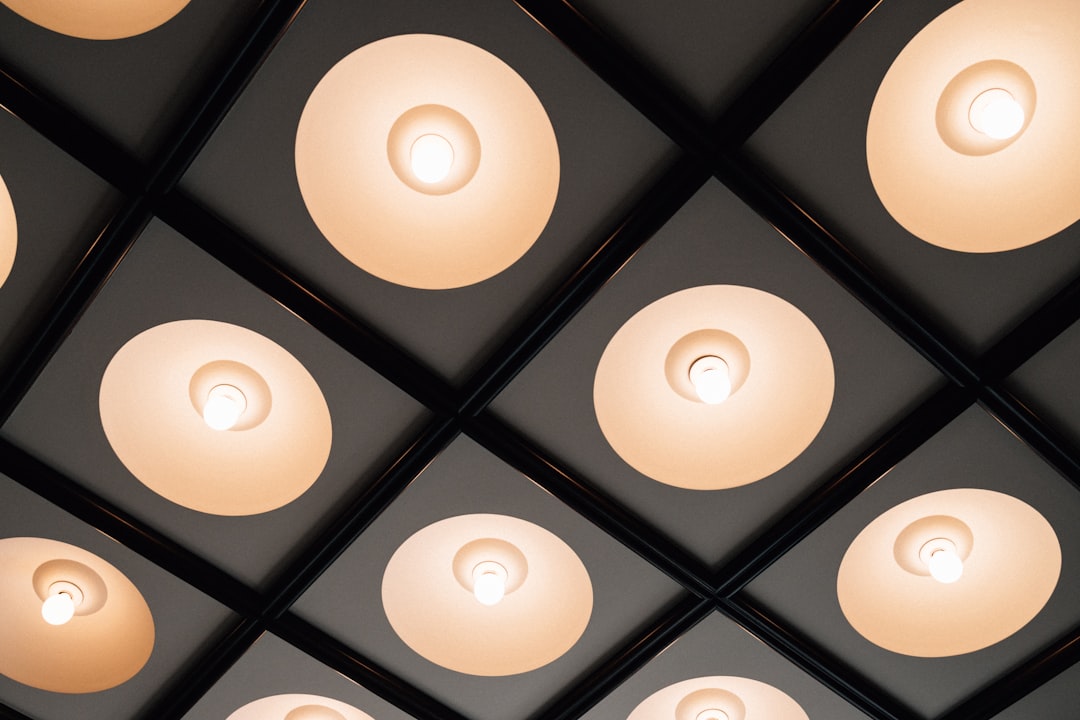
- Surface Mounted Spotlights: These are installed onto the surface of the ceiling. They’re more visible but can offer more design choices.
- Pros: Easier to install (no extensive ceiling cutting), can be a design feature in themselves, good for concrete ceilings where recessing is difficult.
- Cons: More visible, can make low ceilings feel lower, may collect dust more easily.
- Ideal for: Industrial styles, exposed ceilings, adding a decorative element, or when recessed installation isn’t feasible.
LED or Halogen? The Light Source Debate
The type of bulb you choose will impact energy consumption, heat output, and bulb longevity.
- LED (Light Emitting Diode): The modern standard, and for good reason.
- Pros: Extremely energy-efficient (saves on electricity bills), long lifespan (can last tens of thousands of hours), low heat output, available in a wide range of color temperatures (warm to cool white).
- Cons: Higher upfront cost than traditional bulbs, sometimes not fully dimmable with older dimmer switches (check compatibility).
- Recommendation: Unless you have a very specific aesthetic reason not to, LED is almost always the best choice for new installations.
- Halogen: While becoming less common, they still exist.
- Pros: Good color rendering (mimics natural light well), relatively inexpensive to replace bulbs.
- Cons: Energy inefficient (generate a lot of heat), shorter lifespan than LEDs, heat can be an issue in enclosed fixtures.
- Recommendation: Generally avoid in new installations due to inefficiency and heat.
Dimming Capabilities & Controls
Being able to adjust the brightness and even the color temperature of your spotlights adds another layer of control and flexibility.
- Dimmable Spotlights: Most modern LED spotlights are dimmable, but you’ll need a compatible dimmer switch. This allows you to soften the light for a cozier atmosphere or brighten it for tasks.
- Smart Lighting Integration: Many adjustable spotlights can be integrated into smart home systems (e.g., Philips Hue, Google Home, Amazon Alexa). This allows for app control, voice control, scheduling, and even changing color temperature (warm white to cool white) for some advanced models. This opens up a world of possibilities for creating dynamic lighting scenes.
Design and Aesthetic Considerations
Beyond raw functionality, adjustable spotlights come in a vast array of styles, finishes, and beam angles that can significantly impact the overall look and feel of your room.
Finishes and Colors
The finish of your spotlight can either blend seamlessly with your ceiling or become a subtle design accent.
- White: The most common and discreet option, especially for recessed spotlights, as it matches most ceiling paint colors.
- Black: Creates a modern, contrasting look, often chosen for industrial or minimalist aesthetics, or to emphasize the fixture itself.
- Brushed Nickel/Chrome: Adds a metallic touch, suitable for contemporary or more polished designs.
- Brass/Bronze: Offers a warmer, more traditional or vintage feel.
Beam Angle: How Wide is Your Light?
The beam angle determines how concentrated or diffuse the light spread will be.
- Narrow Beam (e.g., 24-36 degrees): Creates a more focused, dramatic “spot” effect. Ideal for highlighting specific artwork, architectural details, or creating dramatic lighting.
- Medium Beam (e.g., 40-60 degrees): A versatile option that offers a good balance between focused light and general illumination. Suitable for general task lighting or illuminating larger sections of a wall.
- Wide Beam (e.g., 60+ degrees): Provides a broader, more diffuse wash of light. Closer to general ambient lighting, but still directional. Useful for illuminating a larger area or washing a wall evenly.
Style and Shape
Spotlights aren’t just round anymore. While round is classic, other shapes and styles can add a unique touch.
- Round: The standard, most common shape, always a safe bet.
- Square/Rectangular: Offers a more contemporary, geometric look, often seen in industrial or minimalist designs.
- Gimbaled: Allows for significant tilting and rotation, sometimes even pulling the bulb slightly out of the housing to increase adjustability.
- Track Lighting: While not strictly “ceiling spotlights” in the recessed sense, track lighting offers multiple adjustable spotlight heads mounted on a track, providing ultimate flexibility for repositioning and aiming.
Installation and Placement Tips
Even the best spotlights won’t perform well if they’re not installed and positioned correctly. A little planning goes a long way.
Planning Your Layout
Before you even think about drilling holes, map out your desired lighting scheme.
- Purpose First: What do you want the light to achieve? Is it for highlighting, general ambiance, or task lighting?
- Measure and Mark: Use painter’s tape or a pencil to mark potential positions on your ceiling. Step back and visualize how the light would fall.
- Avoid Glare: Position spotlights so they don’t shine directly into people’s eyes, especially when seated. Consider the typical eye level in the room.
Spacing and Proximity to Walls
General rules of thumb can help guide your placement, but always adjust for your specific space.
- For Wall Washing: To illuminate a wall evenly, position spotlights approximately 18-24 inches (45-60 cm) away from the wall, and space them about 24-36 inches (60-90 cm) apart from each other. Adjust based on beam angle – wider beams can be spaced further apart.
- For Artwork: Place spotlights at a distance where the light beam entirely covers the artwork without significant spill onto the surrounding wall. For most artwork, a 30-degree angle from the ceiling down to the top of the artwork is a good starting point.
- General Illumination: For broader area lighting, space them evenly across the ceiling, typically 4-6 feet (1.2-1.8 meters) apart for standard ceiling heights.
Professional vs. DIY Installation
The decision to install yourself or hire a professional depends on your comfort level and local regulations.
- DIY Considerations: If you’re comfortable with basic electrical work, recessed spotlights can be a DIY project for those with experience. Ensure you understand wiring, ceiling joist locations, and electrical codes. Always turn off power at the circuit breaker.
- When to Hire a Professional: For complex wiring, if you’re uncomfortable with electrical work, or if your local codes require it, hiring a licensed electrician is always the safest and often most efficient option. They can ensure proper installation, code compliance, and safety.
Maintaining Your Adjustable Spotlights
Once installed, adjustable spotlights are generally low maintenance, particularly LED ones. However, a few tips can keep them shining brightly.
Cleaning
Dust can accumulate on the trim and obstruct light output.
- Wipe Down: Regularly wipe the visible parts of your spotlights with a soft, dry cloth. For stubborn grime, a slightly damp cloth with mild soap is usually sufficient. Avoid harsh chemicals.
- Power Off: Always turn off the power to the fixture before cleaning.
Bulb Replacement (Mainly for Halogen)
LED bulbs are designed to last for years, often decades. If you have older halogen spotlights, bulb replacement will be more frequent.
- Matching Voltage and Wattage: Always replace bulbs with identical current and voltage specifications to avoid damage to the fixture or electrical system.
- Handling Halogen: Halogen bulbs can be sensitive to oils from your skin. Use a clean cloth or gloves when handling them to avoid reducing their lifespan.
Troubleshooting Common Issues
Most issues are minor and easily fixable.
- Light Flickering: This can often be due to an incompatible dimmer switch (especially with LEDs), loose wiring (call an electrician), or a faulty bulb.
- Light Not Turning On: Check the bulb first. If it’s an LED, ensure the fixture is receiving power. If wired to a dimmer, check the dimmer switch itself. Again, for persistent electrical issues, call a professional.
Adjustable ceiling spotlights really do offer a blend of practicality and design potential that can elevate any room. With a little planning and the right choices, you can create a dynamic and inviting atmosphere that perfectly suits your home. They’re a smart investment in both function and aesthetics, giving you the power to literally light up your life, just the way you like it.