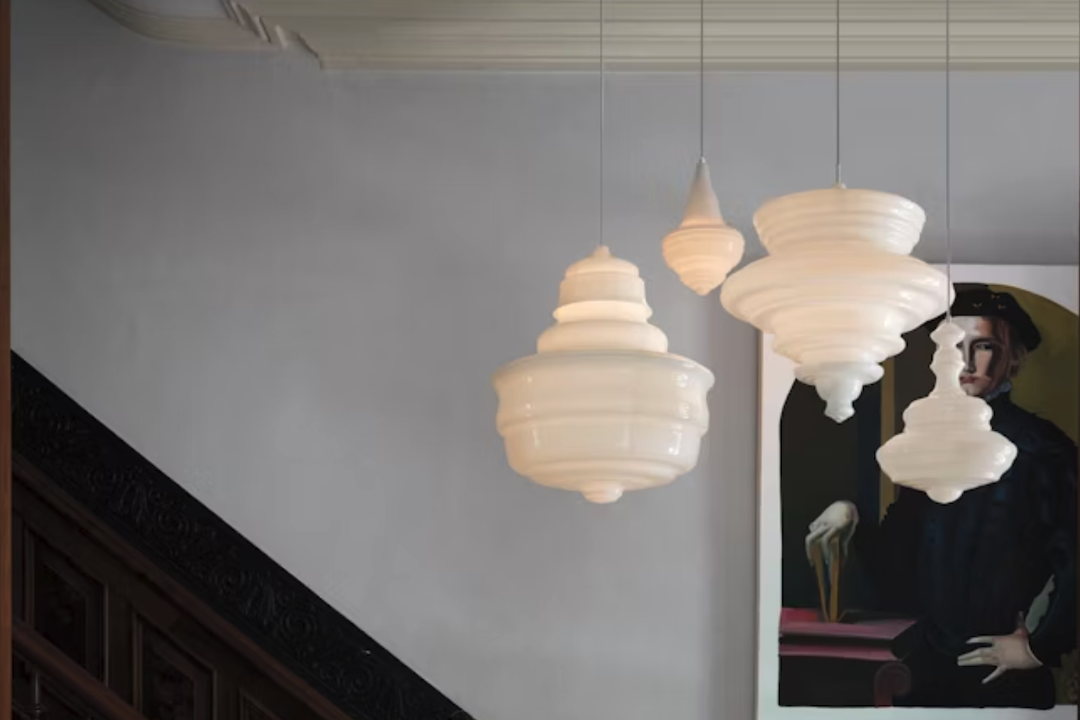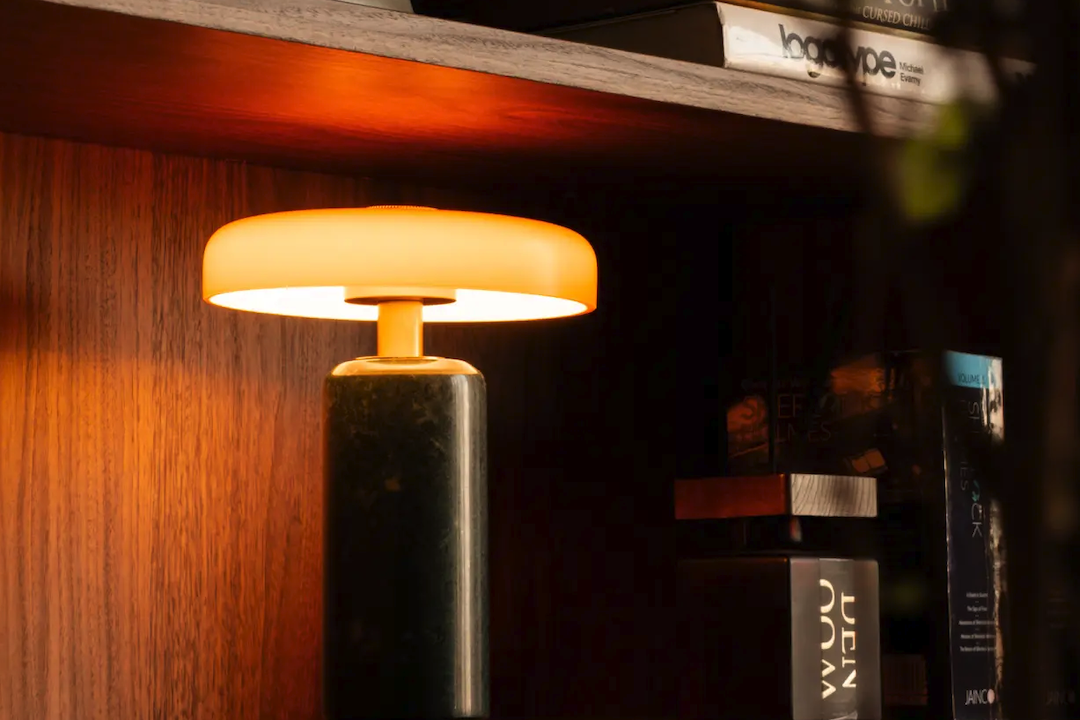

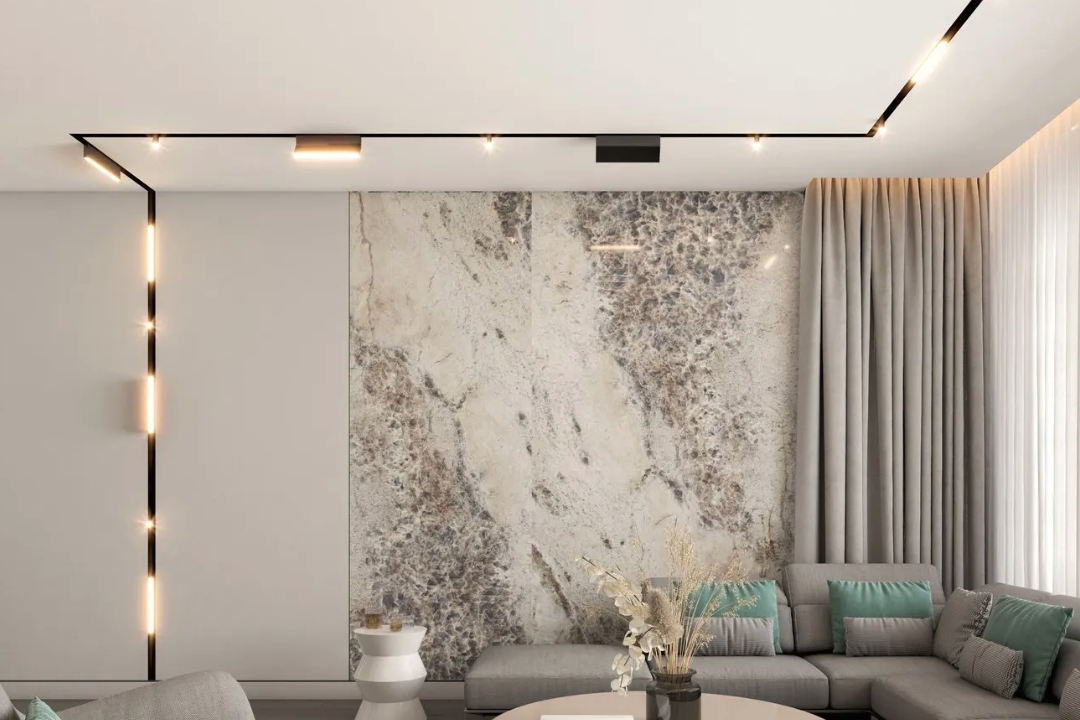
So, you’re thinking about giving your home a bit of a refresh and magnetic track lighting has caught your eye. Smart move! This isn’t just another trend; it’s a genuinely practical way to update your home’s lighting, offering flexibility and a sleek, modern look that’s surprisingly easy to achieve.
What is Magnetic Track Lighting?
Simply put, magnetic track lighting is a system where light Osalife fixtures attach to a metal track using magnets. You run a low-voltage track along your ceiling or walls, and then you can snap or slide different types of light heads (like spotlights, pendants, or even linear bars) into place wherever you need them. The magic is in how simple it is to move and reconfigure these lights without needing an electrician for every little change. It’s lighting that adapts to you, not the other way around.
The Appeal: Why Magnetic Track Lighting Makes Sense
The appeal of magnetic track lighting goes beyond just looking good. It’s about smart design that makes your life easier.
Flexibility Like Never Before
This is the big one. Think about how often your needs change. You rearrange furniture, get new art, or maybe you just want to highlight something different. With traditional lighting, moving a spotlight means drilling new holes and potentially dealing with wiring. Magnetic track lighting throws that hassle out the window.
Instant Reconfiguration
Need to move that accent light from your bookshelf to that newly acquired painting? Just pull the fixture off the track and snap it onto a new spot. No tools, no fuss. It’s that simple. This makes it ideal for spaces that get a lot of use and can benefit from adaptable illumination.
Adapting to Your Life
Children grow, interests change. Your home’s lighting should be able to keep up. Magnetic track systems allow you to easily adjust the beam angle, intensity, and even the type of light you’re using. Want a softer glow for movie nights? Swap in a diffused spotlight. Need a brighter, more focused beam for reading? Snap on a narrow-beam spotlight.
A Clean, Contemporary Aesthetic
Let’s be honest, a lot of older lighting solutions can look a bit dated. Magnetic track lighting offers a sleek, minimalist look that’s perfect for modern interiors. The tracks themselves are often slim and unobtrusive, blending seamlessly into your ceiling or walls.
Minimalist Track Design
The tracks are the backbone of the system, and they’ve evolved to be anything but clunky. Many are available in finishes like black, white, or brushed aluminum, allowing them to complement your existing decor rather than fight with it. Some can even be recessed into the ceiling for a truly flush appearance.
Variety of Fixture Styles
Don’t think you’re limited to just track lights from decades past. The range of fixture styles available for magnetic systems is vast. You can find everything from focused spotlights that highlight art to more general downlights for ambient illumination, and even decorative pendant lights that add a touch of style.
No More Clutter
Traditional lighting can sometimes involve multiple standalone lamps and fixtures, leading to a visually cluttered space. Magnetic track lighting centralizes your lighting power source, often resulting in a cleaner, more streamlined look.
Energy Efficiency and Smart Home Integration
Most modern magnetic track lighting systems are designed with energy efficiency in mind, often using LED technology which dramatically cuts down on energy consumption. Plus, many are compatible with smart home systems.
LED Technology
LEDs are the standard for good reason. They use significantly less energy than incandescent bulbs, last much longer, and produce less heat. This translates to lower electricity bills and fewer bulb replacements.
Dimming Capabilities
Most magnetic track lights are dimmable, giving you even more control over the ambiance of your space. This is perfect for creating different moods for various activities, from bright task lighting to a soft, relaxing glow.
Smart Home Compatibility
Many systems can be integrated with smart home platforms like Google Home, Amazon Alexa, or Apple HomeKit. This allows for voice control of your lights, scheduling, and even setting up automated lighting scenes. Imagine telling your lights to “dim the living room to 30%” or having them turn on automatically when you arrive home.
Getting Started: The Components of a Magnetic Track System
Understanding the basic parts of a magnetic track lighting system will make planning and installation much smoother. It’s not complicated, but knowing the terms helps.
The Track Itself
This is the foundational element. The track is essentially a channel that carries both the power and the magnetic points for the fixtures to attach to.
Types of Tracks
You’ll find a few main types of tracks:
- Surface-mounted: These are the most straightforward. They attach directly to your ceiling or wall. They’re easy to install, requiring minimal drywall work.
- Recessed: These tracks are installed within the ceiling, creating a flush, seamless look. This requires more intricate installation involving cutting into drywall, but the result is a very clean, integrated appearance.
- Suspended: For a loftier feel or to bring light down into a larger space, tracks can be suspended from the ceiling using rods or wires. This is a design choice as much as a functional one.
Track Length and Configuration
Tracks come in standard lengths, but you can often connect multiple sections together to create longer runs or complex shapes like L-shapes or U-shapes, depending on the system’s compatibility.
Power Options
Tracks are powered, and how they get that power is important:
- End Feed: Power enters the track at one of the ends.
- Center Feed: Power can enter the track in the middle, offering more flexibility in placement.
- Corner Connectors: These allow you to turn corners with your track runs.
The Magnetic Fixtures (The “Luminaires”)
These are the actual lights that you’ll be moving around on the track. There’s a huge variety here.
Spotlights
These are versatile and probably the most common type. They’re great for accenting artwork, architectural features, or specific zones.
- Adjustable Spotlights: Most can be aimed in various directions.
- Beam Angle Options: You can get narrow beams for precise highlighting or wider beams for broader coverage.
Pendant Lights
Yes, you can hang pendant lights from magnetic tracks! These are fantastic for adding decorative flair and task lighting over kitchen islands, dining tables, or even bedside tables.
Linear Lights / Bars
These provide a more continuous wash of light and can be used for general illumination or to create a modern, linear effect.
Floodlights
These offer a wider spread of light and can be used for general illumination in larger areas.
Connectors and Accessories
These are the bits and pieces that tie the system together and allow for customization.
Couplers
These are used to connect two track sections together, allowing you to create longer runs or custom shapes.
Corner Pieces
These are designed specifically to allow your track run to turn a corner smoothly.
End Caps
These are decorative covers for the ends of your track runs.
Suspension Kits
If you’re choosing a suspended track system, you’ll need these kits to hang the track from the ceiling.
Power Feed Connectors
These are the components that bring electricity to the track system.
Planning Your Magnetic Track Lighting Layout
Before you start snapping lights into place, a little planning goes a long way. It ensures you get the most out of your system and avoid costly mistakes.
Assess Your Needs
What do you want your lighting to do? This is the most crucial first step.
Identify Key Areas
Walk through your home and pinpoint the areas that need lighting or could benefit from an upgrade. Think about:
- Task Areas: Where do you read, cook, work, or do hobbies? These require focused, brighter light.
- Accent Areas: Do you have artwork, plants, or architectural features you want to highlight?
- Ambient Areas: Where do you need general, diffused light for overall comfort and visibility?
Consider Furniture Placement
How is your furniture arranged now, and how might it change in the future? Magnetic track lighting’s flexibility is its superpower here. Plan your track runs in a way that allows you to illuminate potential seating areas, workspaces, or display items regardless of minor furniture shifts.
Determine Track Placement
Where will the tracks actually go? This depends on your ceiling type and desired effect.
Ceiling Considerations
- Standard Drywall Ceilings: Surface-mounted tracks are usually the easiest option. You can attach them directly to joists for maximum support, or use appropriate toggle bolts if joists aren’t conveniently located.
- Plaster Ceilings: These can be trickier, and for recessed systems, often require significant plaster work.
- Exposed Beams or Joists: Tracks can be mounted directly to these, adding to a more industrial or rustic aesthetic.
Wall Placement
While most magnetic track lighting is on the ceiling, it can also be mounted on walls to create uplighting or to illuminate wall-mounted artwork.
Sketching Your Layout
Grab a piece of paper and sketch out your room. Mark where you want your main track runs to go. Don’t be afraid to experiment with different configurations – L-shapes, parallel lines, or even a grid.
Visualizing the Flow
Think about how the light will distribute. Will you have overlapping beams? Are there dark corners that need attention?
Marking Power Feed Locations
Decide where the power will come into the track. This is often dictated by existing junction boxes. Make sure to consider if you want end feeds or center feeds for maximum flexibility.
Choosing the Right Fixtures
Once you have a layout, you can start selecting the specific lights.
Match Fixtures to Needs
- Spotlights: For artwork, plants, or accent walls.
- Pendant Lights: Over kitchen islands, dining tables, or as statement pieces.
- Linear Lights: For general room illumination or to create a modern aesthetic over a workspace.
Consider Beam Angle and Brightness
- Narrow Beam Angle (e.g., 10-25 degrees): Best for spotlighting small objects like artwork.
- Medium Beam Angle (e.g., 25-40 degrees): Good for general accent lighting or highlighting larger areas.
- Wide Beam Angle (e.g., 40+ degrees): Suitable for ambient light or washing walls with light.
- Brightness (Lumens): Choose based on the room’s size and the desired effect.
Installation: Simpler Than You Might Think
The beauty of magnetic track lighting is that it’s designed for easier installation, often making it a DIY-friendly project for many homeowners.
Safety First!
Before you touch any wires, always ensure the power to the circuit you’ll be working on is completely turned off at the breaker box. Double-check with a voltage tester to be absolutely sure.
Mounting the Track
This is the main structural part of the installation.
Surface-Mounted Tracks
- Locate Joists: Use a stud finder to locate ceiling joists. This is the most secure way to mount your track.
- Mark Mounting Points: Hold the track against the ceiling, mark the screw holes, and pre-drill pilot holes into the joists.
- Secure the Track: Use appropriate screws (usually provided or recommended by the manufacturer) to firmly attach the track to the ceiling. If you can’t hit joists for every mounting point, use heavy-duty drywall anchors specifically designed for significant weight.
Recessed Tracks
This is a more involved process usually best left to experienced DIYers or electricians. It typically involves:
- Cutting a Slot: Precisely cutting a hole in the drywall to accommodate the track housing.
- Wiring: Running the power feed and connecting it to your home’s electrical system.
- Securing the Housing: Installing the track into the pre-cut opening and finishing the edges with drywall mud and paint for a seamless look.
Connecting the Power Feed
This is where the electricity enters your track system.
Using Existing Junction Boxes
If you’re replacing existing fixtures, you might be able to tap into an existing ceiling junction box.
- Match Wires: Connect the live, neutral, and ground wires from the junction box to the corresponding wires on your power feed connector.
- Secure Connections: Use wire nuts for safe and secure connections. Tuck all wiring neatly into the junction box.
Running New Wiring
If you don’t have a convenient junction box, you may need to run new wiring. This is where hiring an electrician is highly recommended, as it involves working within your home’s electrical system.
Attaching the Power Feed Connector
Once the wiring is done, attach the power feed connector to the end of the track where the power is entering. Make sure it clicks or slides securely into place.
Attaching the Fixtures
This is the fun, easy part that highlights the system’s flexibility.
Simple Attachment
Most magnetic fixtures simply snap or slide into place on the energized track. Align the fixture’s magnetic base with the track and push or slide it until it’s held firmly.
Testing Each Fixture
As you attach each fixture, turn the power back on briefly (carefully!) to ensure it lights up. If it doesn’t, check the connection and try again.
Final Touches and Testing
Once all fixtures are in place, do a thorough light test.
Positioning and Aiming
Move the fixtures around on the track to get the perfect lighting coverage. Aim spotlights precisely where you want the light to go.
Dimmer Control Check
If your system includes a dimmer, test it at various levels to ensure it functions correctly.
Beyond the Basics: Advanced Tips and Considerations
Once you’ve got your magnetic track lighting up and running, there are always ways to optimize and enhance your setup.
Layering Your Lighting
Don’t rely on just one type of magnetic fixture. Effective lighting design often involves layering different types of light for a more nuanced and functional space.
Combine Ambient, Task, and Accent
- Ambient: Use linear lights or wider-beam spotlights along the track for general illumination.
- Task: Place adjustable spotlights directly over areas where you’ll be performing tasks like reading or cooking.
- Accent: Use narrow-beam spotlights to draw attention to artwork, plants, or decorative items.
Creating Moods with Dimmers
The ability to dim magnetic track lights is a game-changer for ambiance. Design your track runs with dimmable fixtures in mind for all areas, allowing you to transition from bright, functional light to a soft, inviting glow with just a touch or a voice command.
Smart Home Integration Power
If you’re considering a smart home system, magnetic track lighting is an excellent place to start.
Voice Control Convenience
The ability to turn lights on or off, dim them, or even change their color (if supported by the fixtures) using voice commands is incredibly convenient. Imagine adjusting your lighting while your hands are full.
Automated Schedules and Scenes
Set your lights to turn on at dusk or to mimic occupancy while you’re away. Create “scenes” like “Movie Night” (dimmed lights, warm color temperature) or “Reading Mode” (focused light on a specific area) that can be activated with a single command or button press.
Maintenance and Longevity
Magnetic track lighting is generally low-maintenance, but a little care can ensure its longevity.
Regular Cleaning
Periodically dust the tracks and fixtures. A soft, dry cloth is usually sufficient. For stubborn marks, a slightly damp cloth can be used, but ensure everything is completely dry before re-energizing the system.
Checking Connections
While magnetic connections are generally secure, it’s worth periodically checking that fixtures are firmly seated on the track. This is especially important in high-traffic areas or if the home experiences vibrations.
Troubleshooting Common Issues
- No Light: Double-check the breaker. Ensure the fixture is properly seated on the track. Check the power feed connection.
- Flickering: This could indicate a loose connection in the track, the power feed, or a faulty fixture.
- Dimming Issues: Ensure your dimmer is compatible with your LED fixtures. Some LEDs have specific dimmer requirements.
Expanding Your System
The beauty of modular systems is their scalability.
Adding More Tracks
If you decide you need more lighting coverage later, you can often connect additional track sections to your existing system, provided they are compatible.
Swapping Fixtures
As your needs or tastes change, you can easily remove old fixtures and snap on new ones with different beam angles, brightness, or even styles. This allows your lighting to evolve with your home and lifestyle without major renovations.
Magnetic track lighting is more than just a modern lighting solution; it’s an investment in flexibility, style, and ease of use. By understanding its components, planning thoughtfully, and embracing its adaptable nature, you can transform your home’s atmosphere and functionality in a truly impactful way.