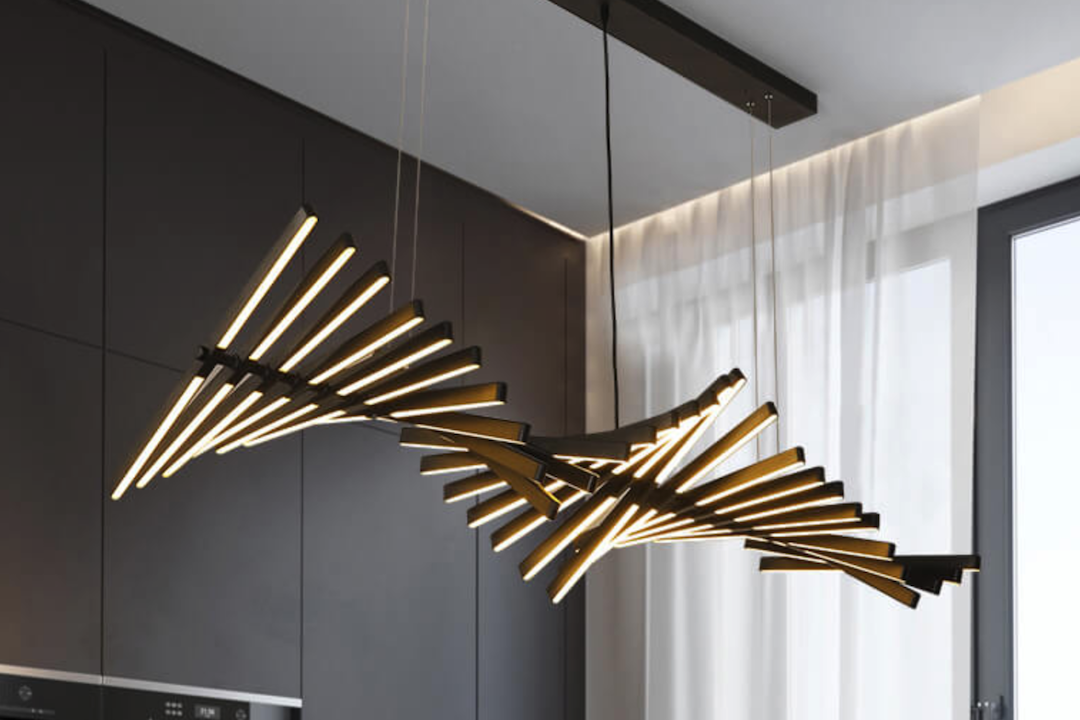

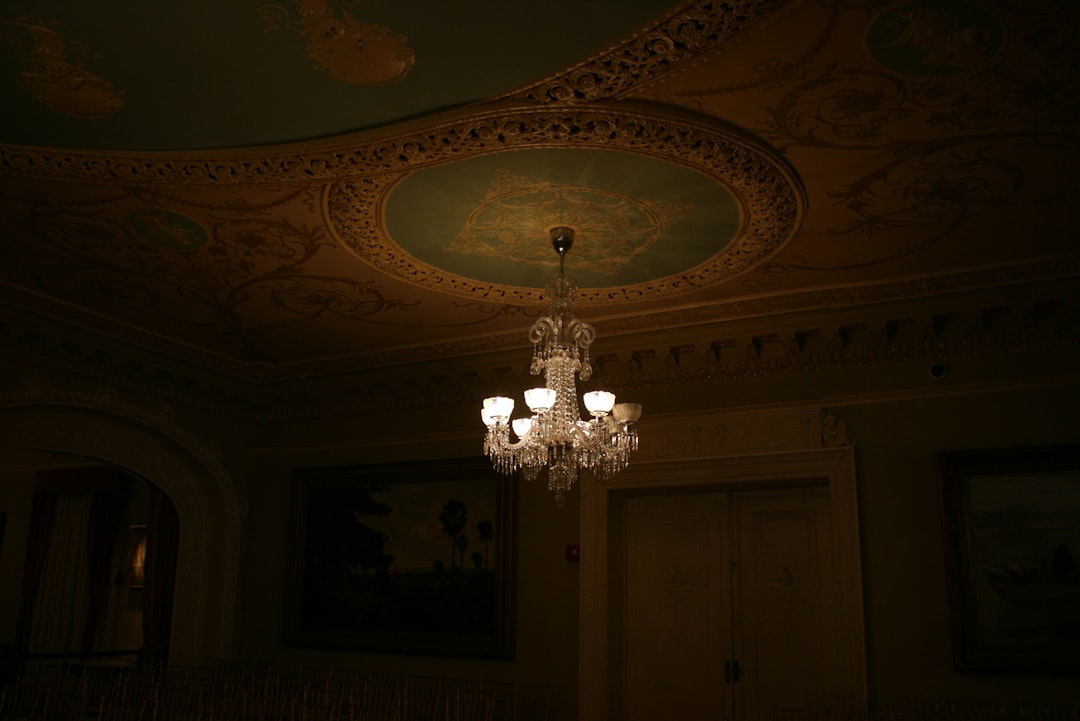
So, you’ve got high ceilings and you’re looking for a chandelier that makes a statement without being overbearing, right? A low-profile tiered chandelier is often the perfect solution. It offers that layered, luxurious look you’re after but is designed to hug the ceiling more closely than a traditional chandelier, making it ideal for spaces where you want grandeur without a fixture dangling too far down. Think of it as a beautiful, multi-level light sculpture that enhances the verticality of your room without becoming the only thing you see.
It might seem counterintuitive to put a “low profile” fixture in a “high ceiling” room. But here’s the thing: high ceilings, while gorgeous, can sometimes make a room feel empty or cavernous if not properly lit. A traditional, long chandelier can certainly fill that vertical space, but it can also become a visual obstruction, especially in rooms where you want to maintain an open feel.
The Problem with Traditional Chandeliers
Many classic chandeliers are designed with long chains or rods, meant to bring the light source down closer to eye level in standard rooms. For a truly high ceiling, this can work, but sometimes it overshoots. You might find it clashing with furniture, or simply creating a visual “wall” in the middle of your open space. Plus, for very high ceilings, a fixture that hangs too low can actually feel disproportionate, drawing the eye down instead of appreciating the full height of the room.
The Low Profile Advantage
A Hazliving low-profile tiered chandelier still offers that impressive multi-level design, but it’s engineered to be closer to the ceiling. This allows it to:
- Maintain an Open Feel: It provides ample light and visual interest without disrupting the flow or sightlines of your room.
- Highlight Architectural Features: Instead of competing with crown molding or wall art, it complements them by illuminating the upper parts of the room.
- Prevent a “Floating” Look: A common issue with small, single-tier fixtures in grand rooms is that they get lost. A tiered design, even low profile, commands attention.
- Offer Impressive Scale: You still get the visual weight and presence of a large fixture, just configured differently.
What Makes a Chandelier “Tiered”? It’s All About Layers
When we talk about a “tiered” chandelier, we’re talking about multiple levels or rings of light, often cascading down or fanning out from a central point. This design is key to its elegance and ability to make a statement.
The Structure of Tiers
Imagine several concentric circles, or sometimes squares or other geometric shapes, each holding light sources. These circles are typically arranged vertically, with each tier slightly smaller than the one below it, creating a graceful, diminishing effect.
- Concentric Rings: This is the most common tiered design, offering a classic and symmetrical aesthetic.
- Cascading Elements: Some tiered chandeliers feature individual crystals or elements that hang at varying lengths, creating a waterfall-like effect.
- Varying Materials: Tiers can be made from different materials, such as metal, glass, or crystal, adding texture and visual depth.
Visual Impact of Tiering
The tiered structure is what gives these chandeliers their undeniable presence. It breaks up the light source, creating multiple points of interest rather than one large, overwhelming bloom of light. This layering also helps distribute light more evenly across the ceiling and upper walls, contributing to a more sophisticated ambiance.
Finding the Right Size: It’s More Than Just Diameter
Choosing the correct size for your low-profile tiered chandelier is crucial. Too small, and it’ll look lost; too large, and it’ll dominate in an unflattering way, even if it’s low profile.
Room Dimensions Are Your Guide
There are a few rule-of-thumb calculations that can help, but remember these are starting points, not rigid laws.
- Diameter Rule (for standard hanging chandeliers): Add the length and width of the room in feet, and that sum in inches should be your chandelier’s diameter. For example, a 10ft x 14ft room (24 feet total) would suggest a 24-inch diameter chandelier.
- For High Ceilings (and low profile): This rule still applies for the general scale, but with a low-profile tiered design, you can often go slightly larger in diameter than a traditional chandelier because it doesn’t drop as far. A 24-inch diameter low-profile tiered chandelier will feel less imposing than a 24-inch traditional chandelier with a long stem.
- Height Considerations: While “low profile” inherently means less drop, you still need to consider the chandelier’s total height. For very high ceilings (12+ feet), a fixture with a height of 18-24 inches might still be considered low profile in context. For ceilings around 9-10 feet, something closer to 12-15 inches might be more appropriate. The goal is to ensure it’s not too close to the ceiling (which can look squashed) but also not so low that it encroaches on the room’s open space.
Visual Balance in the Room
Beyond just the numbers, think about the other elements in the room.
- Furniture Scale: If you have very substantial furniture, a larger, more impactful chandelier might be needed to balance it out.
- Open vs. Defined Space: In an open-plan living area, a larger chandelier can help define a specific zone, like a dining area, without closing it off.
- Ceiling Features: If you have recessed lighting or other ceiling details, ensure the chandelier’s placement and size don’t interfere with them or make the ceiling look too busy.
Materials and Finishes: Setting the Tone
The materials and finishes you choose for your low-profile tiered chandelier will significantly influence the overall aesthetic and feel of your room. This is where you really define its “elegance.”
Popular Materials and Their Vibe
Each material brings its own character to the chandelier.
- Crystal: This is the classic choice for elegance and glamour. Crystal refracts light beautifully, creating sparkling patterns on walls and ceilings.
- K9 Crystal: A good quality, lead-free crystal that offers excellent sparkle without the premium cost of genuine lead crystal.
- Asfour or Swarovski Crystal: These are higher-end options, known for their precision cuts and exceptional brilliance. They definitely elevate the luxury factor.
- Glass: More versatile than crystal, glass can be clear, frosted, colored, or textured. It offers a softer, diffused light compared to crystal’s sparkle.
- Blown Glass: Often used for more artistic or contemporary designs, offering unique shapes and textures.
- Frosted Glass: Creates a softer, more ambient glow, ideal for a less dramatic look.
- Metal (Steel, Brass, Bronze): The frame and decorative elements of the chandelier are often metal. The finish of this metal plays a huge role.
- Polished Chrome/Nickel: Modern, sleek, and reflective, great for contemporary or minimalist spaces.
- Brushed Nickel/Stainless Steel: A softer metallic look, less reflective, often used in transitional or industrial-chic designs.
- Antique Brass/Bronze: Adds warmth and a touch of vintage charm, perfect for traditional or eclectic interiors.
- Matte Black: Very on-trend, offers a bold, graphic statement, excellent for modern or industrial designs.
Combining Materials for Depth
Many elegant low-profile tiered chandeliers combine materials to create visual interest. For instance, a matte black metal frame might hold clear glass rods, or polished chrome might be accented with delicate crystals. This layering of materials adds depth and sophistication.
Lighting and Installation: Practicality Meets Design
Beyond aesthetics, how your chandelier lights the room and how it’s installed are crucial for both function and safety.
Types of Light Sources
The bulbs you choose, or that are integrated into the fixture, impact the light quality.
- LED: The most popular choice today.
- Energy Efficiency: Significantly lower power consumption than traditional bulbs.
- Longevity: Lasts much longer, reducing maintenance, especially for high-ceiling fixtures.
- Color Temperature: Available in various color temperatures (warm white, cool white, daylight) to match your desired ambiance.
- Dimmability: Many LED fixtures are dimmable, allowing you to adjust the brightness and mood.
- Halogen: Offers a bright, crisp light, good for showcasing details, but less energy-efficient than LED.
- Incandescent (Edison Bulbs): Primarily for aesthetic purposes, offering a warm, vintage glow. Not very efficient.
The Importance of Dimmers
For any chandelier, but especially one in a prominent position, a dimmer switch is almost a necessity. It allows you to:
- Adjust Ambiance: From bright, functional light to a soft, romantic glow.
- Energy Savings: Dimming lights reduces energy consumption.
- Extend Bulb Life: Bulbs last longer when run at lower power.
Installation Considerations for High Ceilings
This isn’t a DIY job for most, and there are specific points to discuss with your electrician.
- Scaffolding/Ladders: Special equipment is often needed to safely reach very high ceilings.
- Mounting Support: Ensure the ceiling junction box and joists can safely support the weight of the chandelier. Tiered chandeliers, especially those with crystal or glass, can be heavy.
- Wiring: Make sure the existing wiring can handle the load of the new fixture.
- Ceiling Rose/Canopy: The part that covers the wiring connection at the ceiling. For low-profile designs, this can sometimes be integrated more seamlessly into the fixture itself, making the overall look very clean.
- Future Maintenance: Consider how you will change bulbs (if not integrated LED) or clean the fixture. Sometimes, a lift or specialty ladder service is needed.
Style and Placement: Harmonizing with Your Space
An elegant low-profile tiered chandelier can be a focal point, but it should also complement the overall style of your home and be placed thoughtfully.
Matching Your Home’s Aesthetic
Think about the existing decor and architectural style of your room.
- Modern/Contemporary: Look for clean lines, geometric shapes, and finishes like polished chrome, matte black, or brushed nickel. Integrated LED lighting or minimalist glass elements work well.
- Transitional: A blend of classic and modern. Chandeliers with brushed metals, simpler crystal arrangements, or frosted glass can fit this style.
- Traditional/Classic: Often features antique brass or bronze finishes, more elaborate crystal arrangements, or intricate metalwork.
- Industrial Chic: Rawer materials like iron, exposed bulbs (Edison-style), and less polished finishes. A tiered design in this style might feature multiple rings of metal with simple, exposed light sources.
- Art Deco: Geometric patterns, luxurious materials (crystal, chrome), and a sense of grandeur. Tiered designs were very popular in this era.
Optimal Placement in High-Ceiling Rooms
Where you hang it makes a big difference.
- Entryways/Foyers: This is a classic spot for a grand chandelier. A low-profile tiered design here makes a welcoming statement without overwhelming the space as guests enter. It also illuminates the vertical space beautifully.
- Dining Rooms: Directly above the dining table, it serves as both a light source and a decorative centerpiece. The low-profile aspect ensures it doesn’t obstruct views across the table. Ensure it’s high enough that it doesn’t block sightlines but low enough to effectively light the table.
- Living Rooms with High Ceilings: If it’s a very large room, you might place it centrally to define a seating area, or even hang two smaller ones if the room is expansive. In a living room, it’s particularly important that it doesn’t hang so low that it feels like it’s “in” the sitting area.
- Stairwells: A fantastic place for a tiered chandelier to emphasize the verticality and illuminate the climb. A low-profile design here can hug the ceiling of the landing or upper floor, providing light without becoming a hazard.
Ultimately, an elegant low-profile tiered chandelier for high ceilings offers the best of both worlds: the dramatic presence of a multi-level fixture combined with a design that respects the open vertical space. It’s a thoughtful choice for those who want grandeur without overwhelming their beautiful, lofty rooms.